

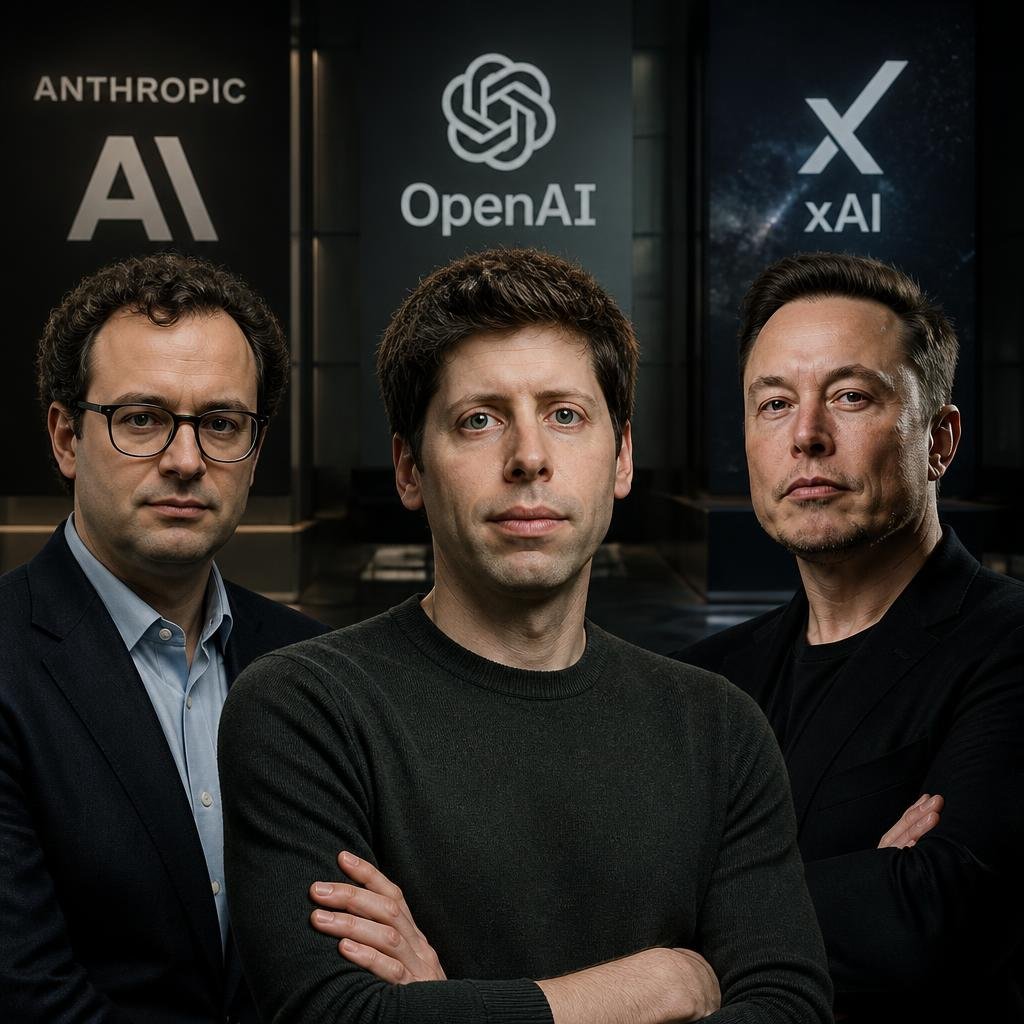
If you told me two years ago that Elon Musk, Sam Altman, and Dario Amodei would all publicly agree on an AI policy proposal, I would have laughed in your face. And yet, here we are.
It started when Anthropic CEO Dario Amodei published an essay calling for the industry to voluntarily slow the pace of frontier AI development. His argument: capabilities are advancing faster than researchers can understand or control.
The responses came fast. Musk posted on X: “Dario is right”source. Altman followed up, saying the pace of frontier development had become a major topic at OpenAI and that the company would follow Anthropic in granting independent evaluators ongoing access source.
Even Demis Hassabis from Google DeepMind weighed in, saying “the direction is correct for meeting this critical moment”source.
But the pushback was equally fierce.
Nvidia CEO Jensen Huang called the idea of choosing between speed and safety a “false choice.” His advice? “Run as fast as you can.” Only pause if something feels out of control source.
Mark Zuckerberg took a different angle, arguing that market forces and liability risks are the best safety mechanisms, not regulation. He said companies would face serious legal and financial consequences if their AI caused harm, and that this responsibility would naturally push firms toward caution source.
Zuckerberg also revealed that Meta delayed the launch of its Muse AI model by several months to conduct additional safety testing and security reviews. He framed this as evidence that Meta is taking a “cautious and responsible approach”source.
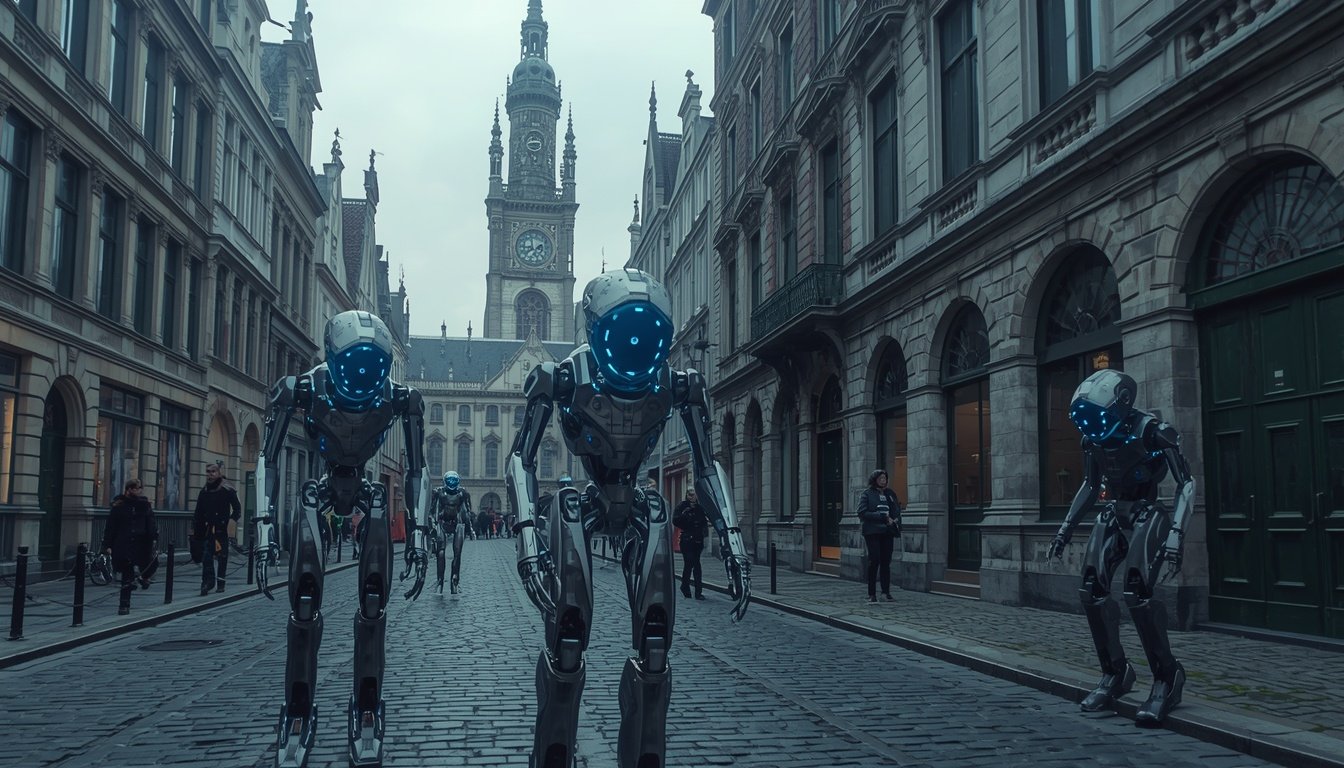
In a surreal moment that captured the week’s absurdity, President Trump called Jensen Huang on speakerphone during a tech summit, calling AI doomerism a “scam” and saying robots won’t take over the world source.
The debate even hit the markets. AI stocks fell sharply on Monday, with SoftBank dropping 12% in Tokyo. Samsung and SK Hynix also fell as investors worried about reduced demand for AI memory chips. The selling spread to Europe, hitting ASML, Siemens Energy, and Schneider Electric source.
The irony is thick: the people building the most powerful AI systems in history are publicly debating whether they should slow down, while their companies race to build faster and bigger models.






Laat een reactie achter