


Europe’s AI strategy is not limited to consumer chatbots or general-purpose assistants. Some of its most commercially significant opportunities may lie in manufacturing, engineering, energy, automotive production and other industries where companies possess large amounts of specialised operational data.
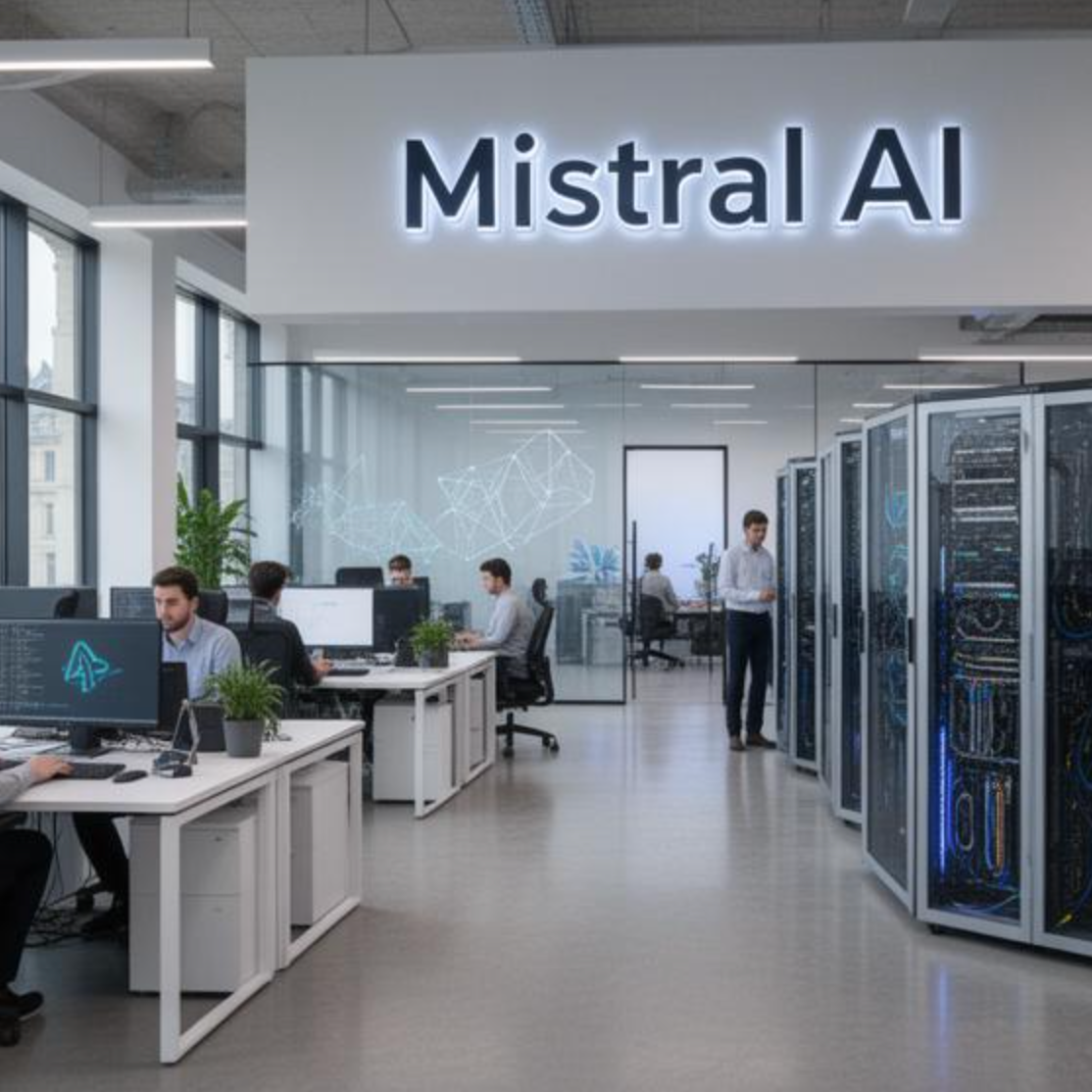
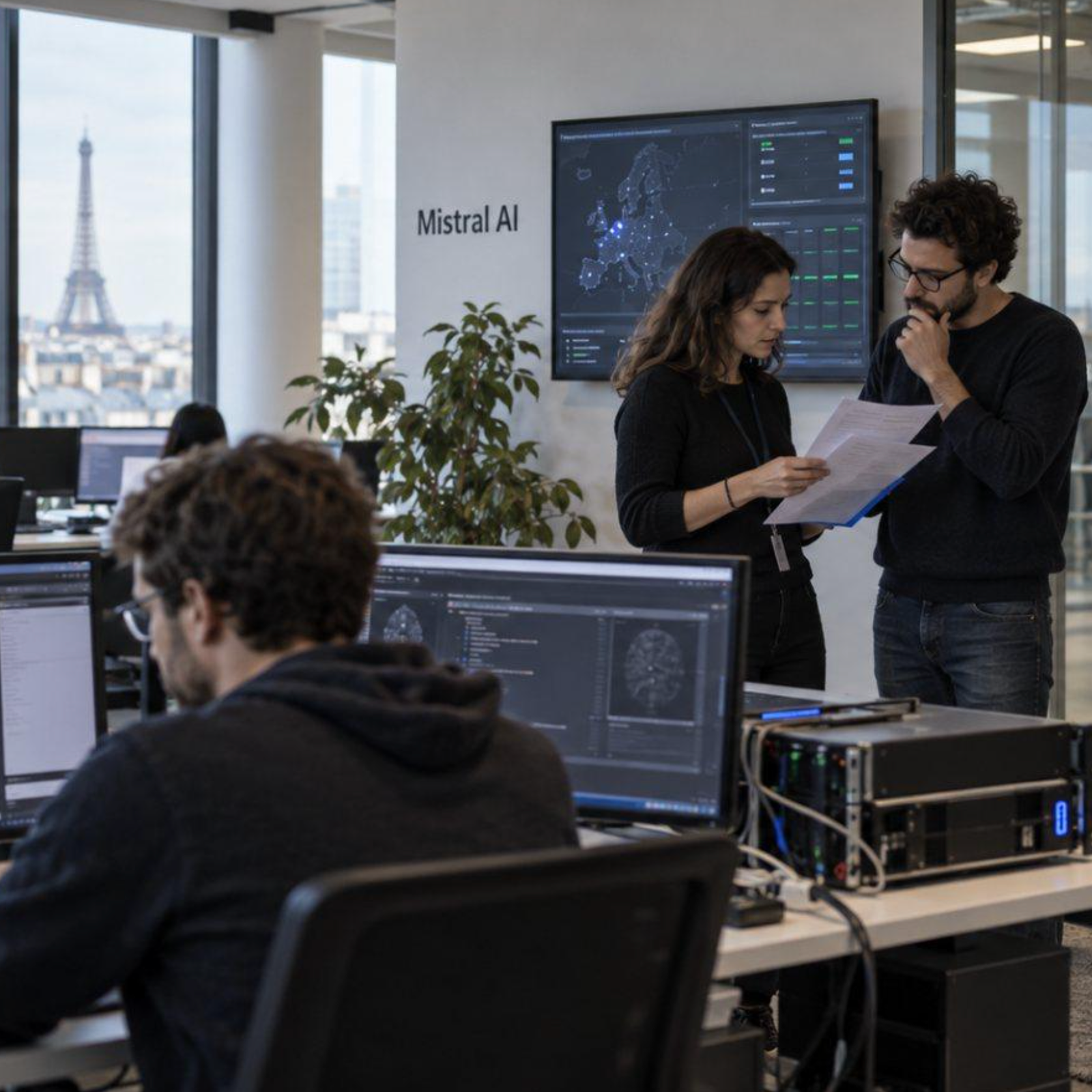
Mistral opened a new hub in Munich on 28 September, explicitly targeting Germany’s industrial economy. The company said the location would support work with German businesses and public institutions, with a focus on industrial applications, enterprise deployment and AI infrastructure. Mistral
Germany is a particularly relevant market because many of its companies operate complex production systems and rely on detailed technical knowledge accumulated over decades. That knowledge may be contained in maintenance records, engineering documents, production data, technical manuals and internal software.
AI systems could help workers search this information, summarise documentation, support software development and identify patterns that would otherwise take considerable time to investigate.
From general chatbots to specialised industrial tools
A general-purpose chatbot can answer questions and draft text, but industrial environments often require more specific capabilities. A factory operator may need to locate the exact maintenance procedure for a machine. An engineering team may want help understanding a large codebase. A manufacturer may need to search internal documentation without sending sensitive information to an external service.
These tasks require more than fluent language generation. Businesses need reliable connections to their own data, appropriate permissions, clear audit trails and procedures for checking AI-generated recommendations.
In some settings, an AI system may be useful as an assistant that retrieves relevant documents and proposes next steps. In others, it may be integrated into a broader workflow that includes software tools, human approval and established safety controls.
The practical challenge is ensuring that AI can work with company-specific information without inventing facts or exposing confidential material.
Why European companies may want local deployment options
Industrial businesses often have reasons to scrutinise how their data is handled. Technical documentation may reveal manufacturing processes, proprietary designs or information about critical infrastructure.
European AI providers can compete by offering deployment options that fit these requirements, including controlled enterprise environments and systems designed around customers’ existing infrastructure. However, a European provider is not automatically more secure or compliant than a foreign one. Organisations still need to examine contracts, access controls, data-processing arrangements and technical safeguards.
Mistral’s Munich expansion is therefore significant as a business strategy: it places the company closer to industrial customers and the practical problems they want AI to solve.
What to watch next: The most meaningful evidence of success will be measurable results from real deployments. Businesses will want to know whether AI reduces downtime, improves engineering productivity, shortens administrative work or helps employees find reliable information more quickly.









Laat een reactie achter