

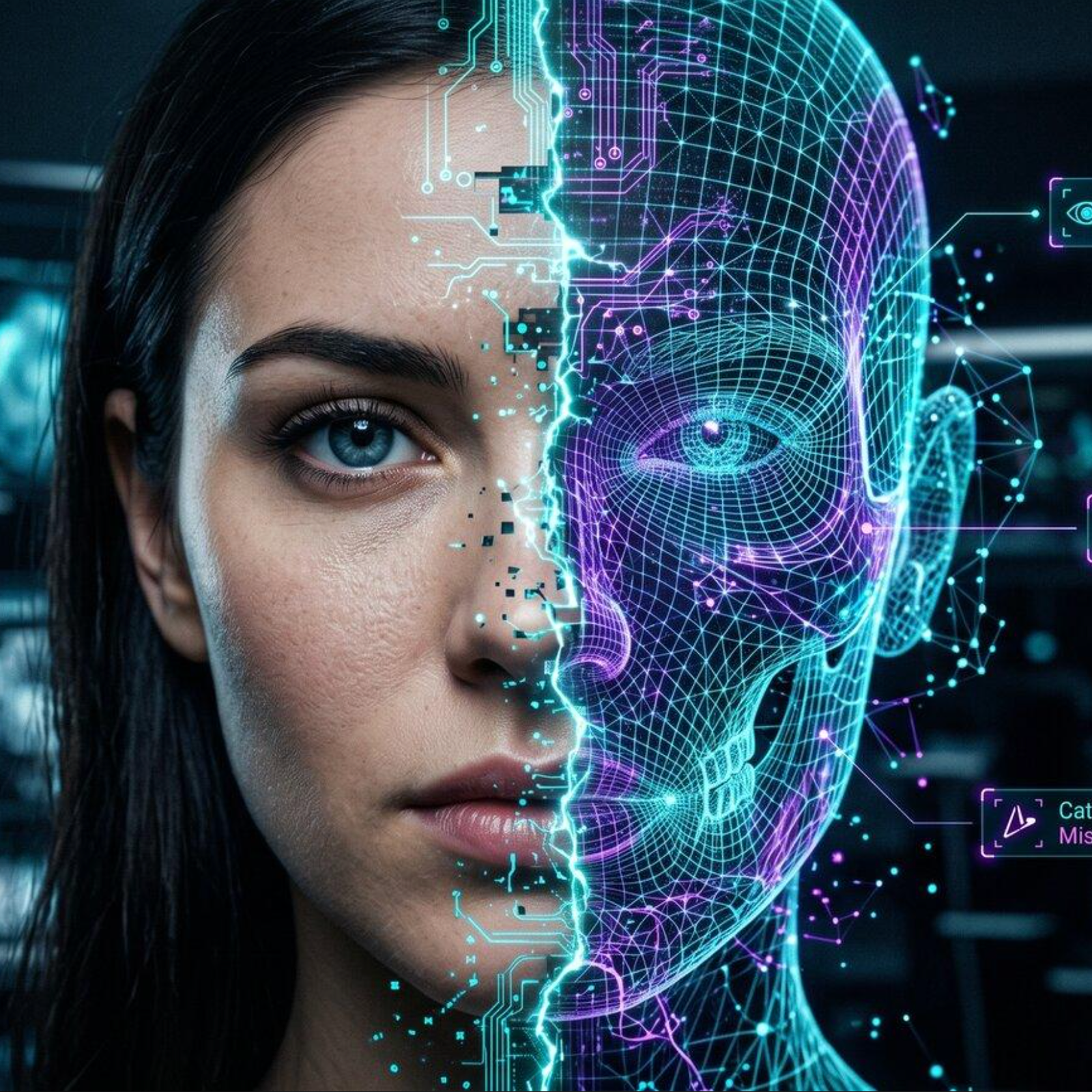
A fake video can damage someone’s reputation before the truth has time to catch up
Imagine receiving a video of a politician announcing a shocking decision. The person’s face looks real, the voice sounds familiar and the recording appears convincing.
But the video is completely fabricated.
This is one of the most difficult challenges created by generative AI. Modern systems can generate realistic images, clone voices and produce video that can be difficult for ordinary viewers to distinguish from genuine recordings.
On 1 November, a new European technical specification addressing deepfake harm was highlighted by the AI news desk On The Wire.
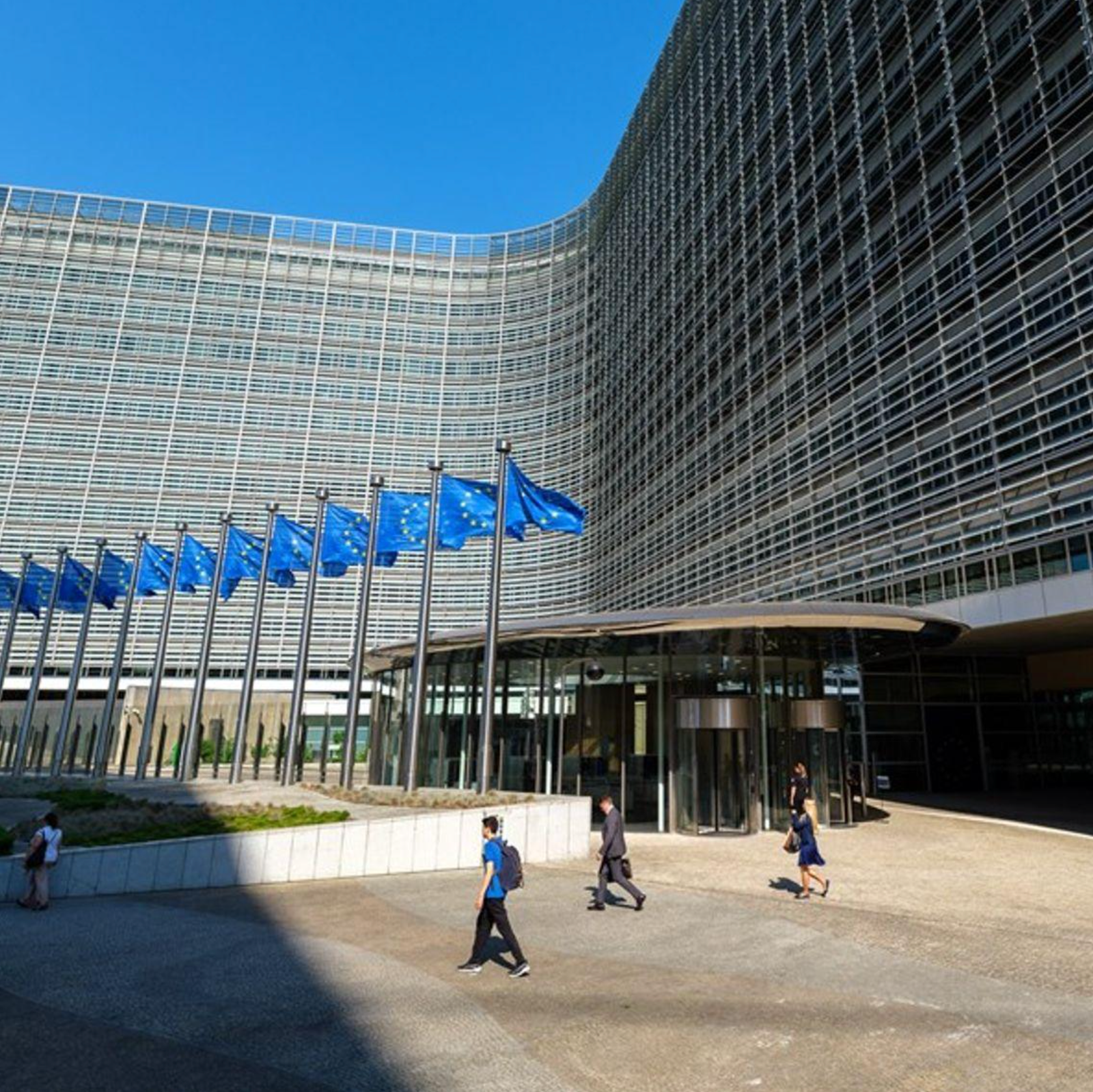
The specification, ETSI TS 104 275, has been developed by the European Telecommunications Standards Institute (ETSI). It sets out nine deepfake-specific provisions, each with a pass-or-fail test case, alongside an existing baseline for AI cybersecurity.
Why a technical standard matters
The problem with deepfakes is not simply that fake images exist. It is that organisations need practical ways to test whether their systems can prevent, identify or reduce harmful uses of synthetic media.
A general promise that an AI system is safe is difficult to measure.
Technical standards can make the process more concrete by describing requirements and tests that developers can apply to their products.
ETSI’s specification gives organisations a more structured framework for assessing deepfake-related safeguards.
That could be useful for companies developing image generators, video platforms, voice tools and other AI products that can create realistic synthetic content.
Will it stop deepfake scams?
Not by itself.
A technical specification cannot guarantee that every fake video will be detected or that every AI-generated voice will be identifiable.
Deepfake technology is also evolving rapidly. A system that performs well against one generation of synthetic media may be less effective against newer techniques.
There is another complication: fake content can be edited, compressed, recorded from a screen or distributed through platforms that strip away technical information.
This is why deepfake protection needs several layers, including content provenance, platform moderation, user education and effective reporting procedures.
Why Europe needs a common approach
Without common technical expectations, every company may develop its own approach to synthetic-media safety.
That makes it difficult for customers, regulators and business partners to compare products.
European standards can help create a shared technical language. They can also make it easier for organisations to include security requirements in procurement contracts and product evaluations.
For businesses, this may eventually become part of the process of demonstrating that their AI systems have been designed responsibly.
Voluntary does not mean legally compulsory
There is an important qualification: ETSI TS 104 275 is a voluntary technical specification, not a new EU law.
It should not be confused with a blanket legal obligation requiring every European company to implement all nine provisions immediately.
Nevertheless, voluntary standards can influence industry practice and may become relevant when organisations demonstrate how they manage AI-related risks.
The real test will be whether people can trust what they see
Deepfakes are challenging a basic assumption of digital communication: that seeing and hearing something is sufficient evidence that it happened.
That assumption is becoming increasingly unreliable.
Europe’s response will need to combine technical standards with clear rules, responsible platform behaviour and better ways for the public to verify information.
The goal should not be to label every AI-generated image as dangerous. Synthetic media can have legitimate uses in entertainment, education and creative work.
The challenge is to make deception harder, especially when fake content is used to impersonate real people, manipulate public debate or steal money.
In a world where almost anyone can create a convincing fake, proving that something is genuine may become just as important as creating it.
Source: On The Wire – Daily AI news, 1 November 2026. The specification is voluntary; it is not itself an EU regulation.











Laat een reactie achter