


There is an uncomfortable reality behind the AI boom.
Artificial intelligence requires enormous amounts of computing power.
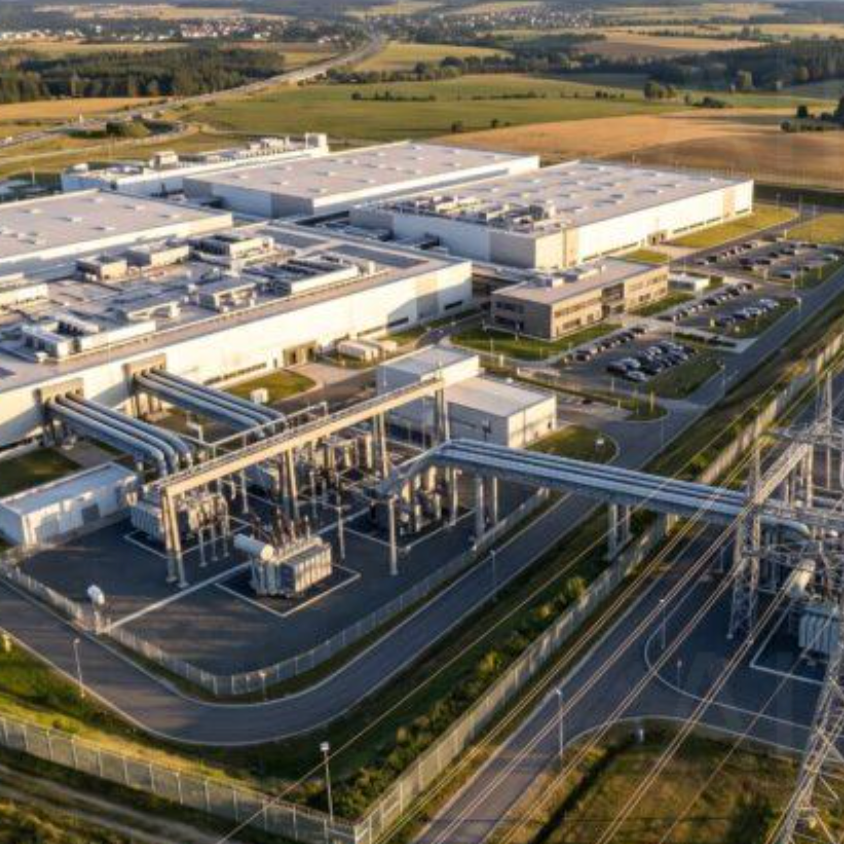
Computing power requires data centres.
Data centres require electricity.
And Europe’s electricity infrastructure is already under pressure in several major technology hubs.
A recent IMF paper prepared for European finance ministers estimated that data centres account for roughly 3% of electricity consumption in Europe, with major clusters around Frankfurt, London, Amsterdam, Paris and Dublin facing particularly significant pressure.
This creates a problem that is rarely discussed when people talk about AI models.
You cannot simply build another trillion-parameter system by publishing more software.
You need physical infrastructure.
You need servers.
You need accelerators.
You need cooling.
You need buildings.
And ultimately, you need electricity.
For Europe, that means the AI strategy is becoming an energy strategy.
Countries that cannot provide sufficient power and grid capacity may struggle to attract the largest AI data centres.
That could create another competitive divide between European regions.
The countries that successfully combine AI infrastructure with affordable and reliable electricity could become major AI hubs.
Those that cannot may find themselves consuming AI services without hosting much of the infrastructure themselves.
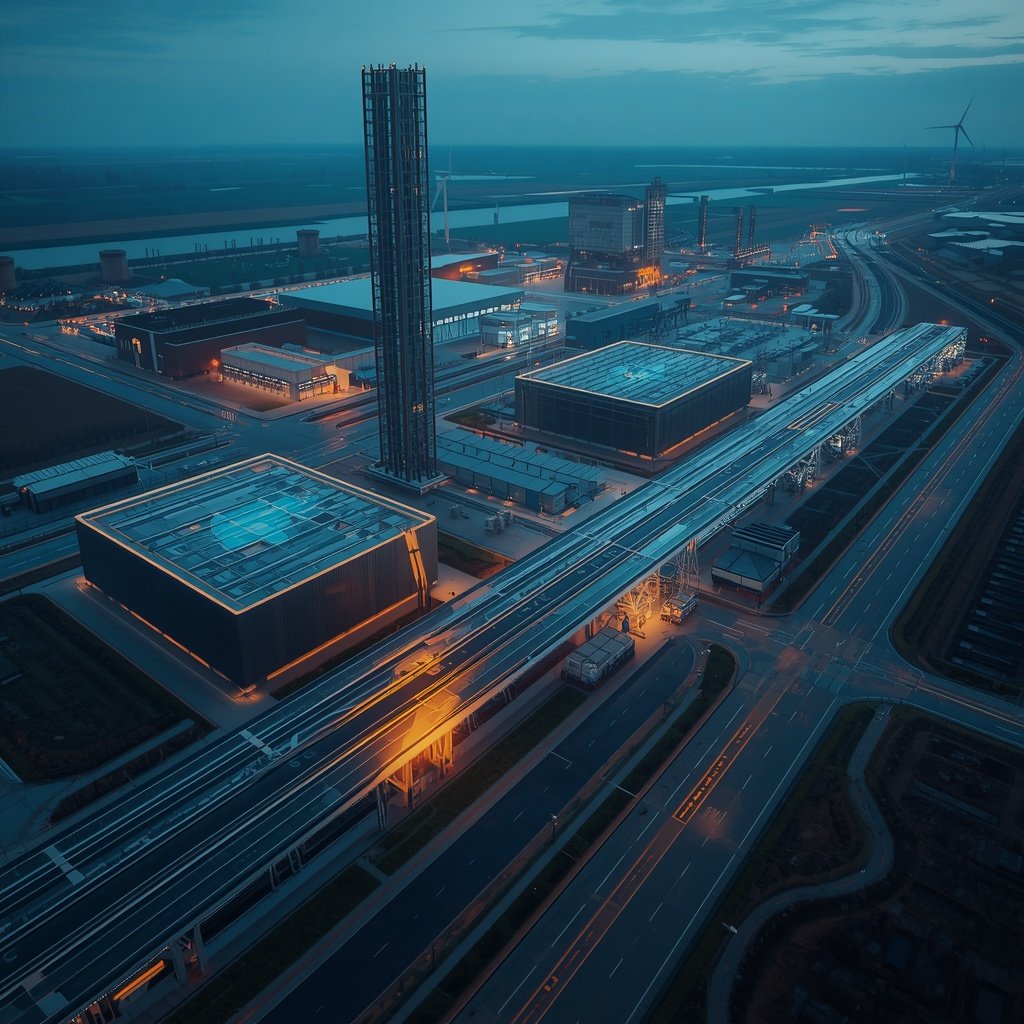
The AI race is therefore increasingly moving into the physical world.







Laat een reactie achter