

October 3, 2026
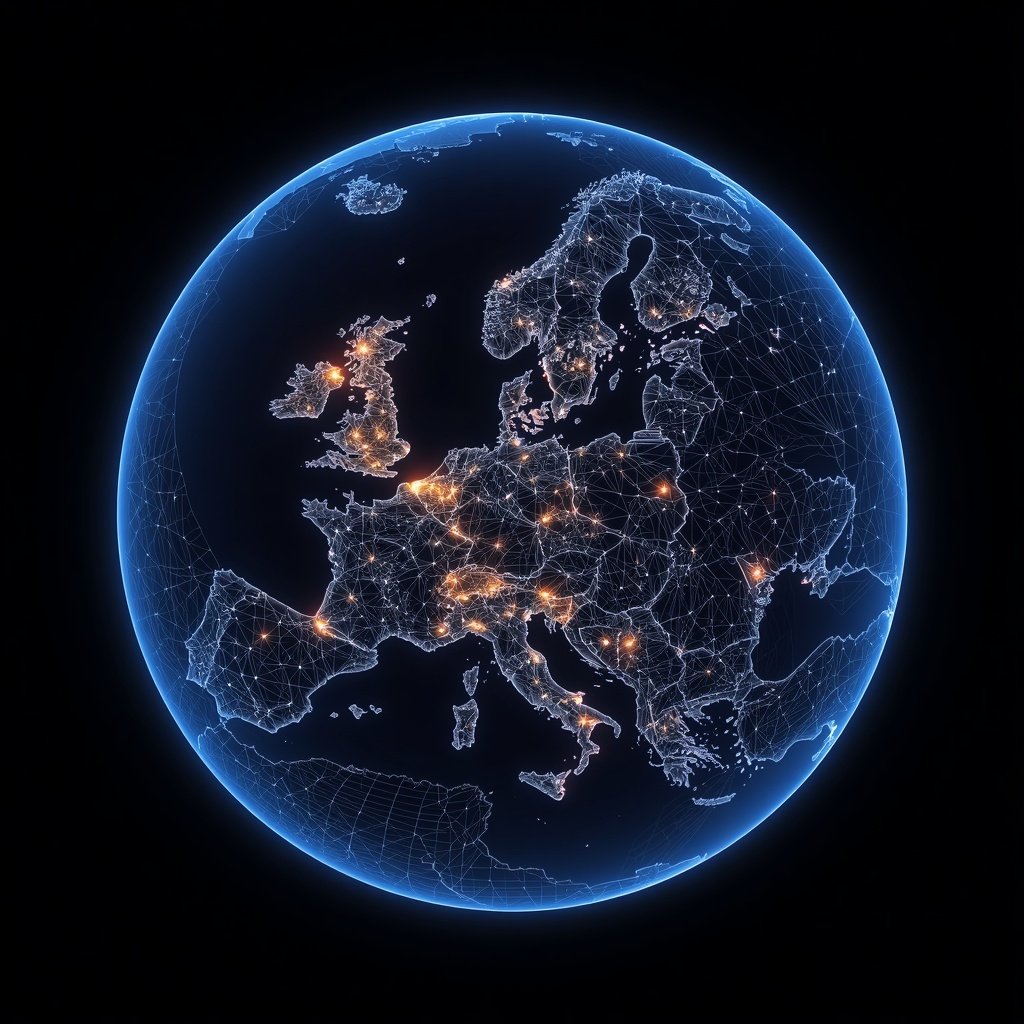
Europe is accelerating its effort to build more of its own artificial intelligence infrastructure.
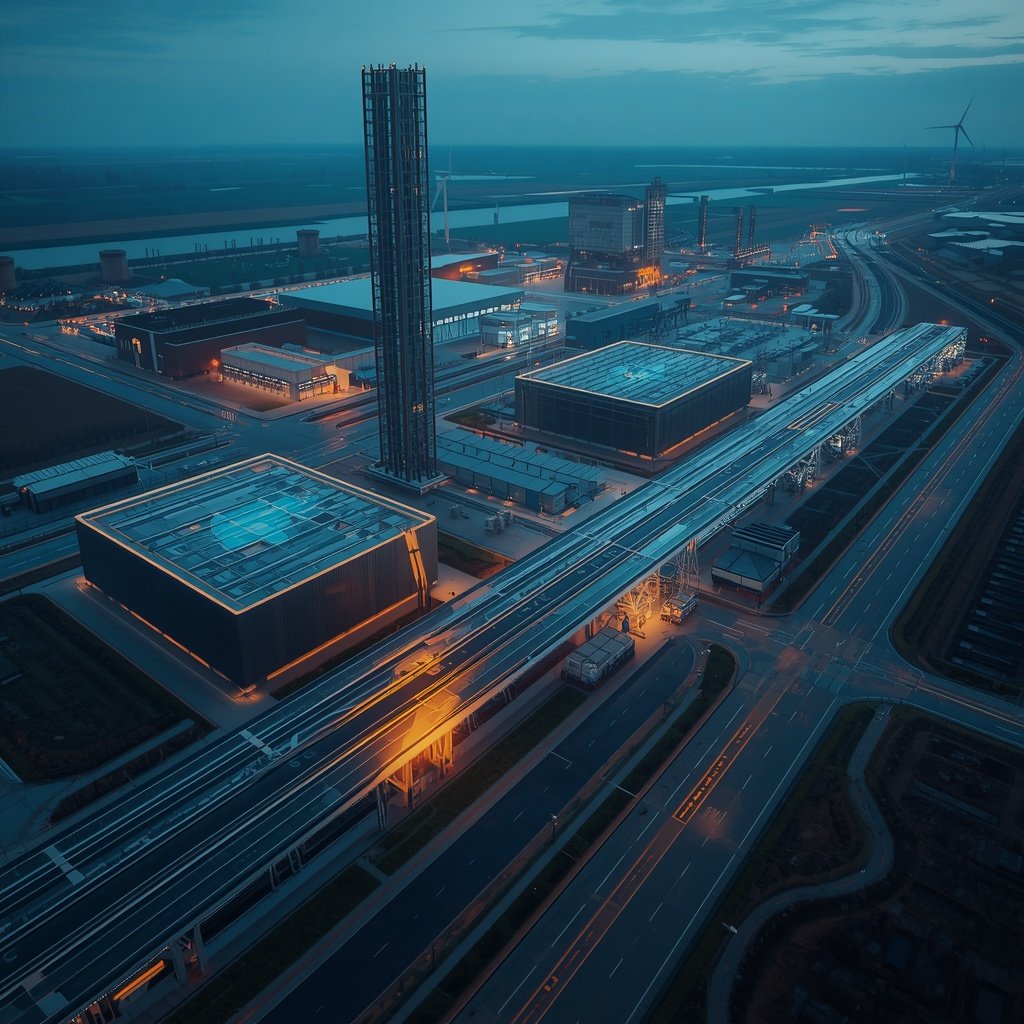
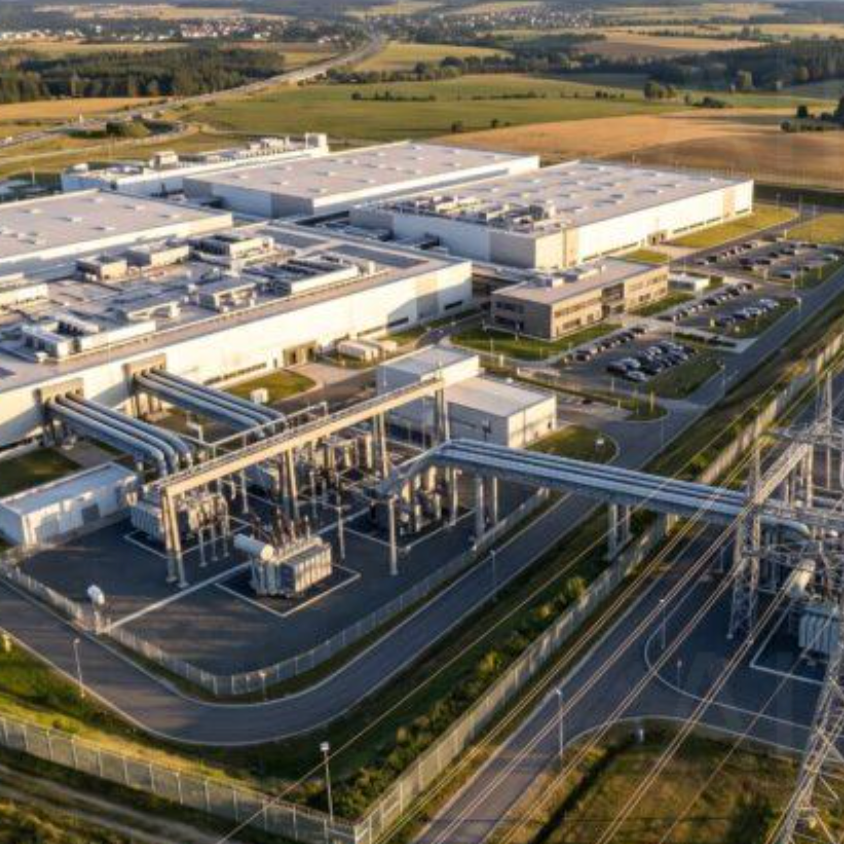
French supercomputer manufacturer Bull has expanded its production facility in Angers, France, doubling its current manufacturing capacity as European demand for AI computing continues to grow.
The company now expects to produce around 12 supercomputer racks per month, compared with six previously. Production could potentially reach 24 racks per month by 2027. The factory expansion represents an investment of approximately €80 million.
The development is another sign that Europe’s AI strategy is moving beyond software.
The continent increasingly wants control over the physical infrastructure needed to run advanced AI.
Europe needs more computing power
Europe has historically depended heavily on foreign technology companies for advanced processors, cloud infrastructure and AI services.
That dependence has become more visible as AI computing requirements have exploded.
Large language models and AI agents require enormous amounts of computing capacity.
Supercomputers are therefore becoming important not only for scientific research but also for industrial AI.
Europe’s response has been to invest in a network of high-performance computing systems through the European High Performance Computing Joint Undertaking, or EuroHPC.
The EU committed around €7 billion to its supercomputing network for the 2021–2027 period.
Bull has won most EuroHPC tenders
Bull has become a major European supplier in that strategy.
According to Reuters, the company has won 15 of 18 EuroHPC tenders.
Its systems are being used in several major European computing projects.
These include systems connected to Airbus facilities in Toulouse and Hamburg, the Alice Recoque supercomputer in France and LUMI-AI in Finland.
Europe is also preparing JUPITER, which is expected to become the continent’s first exascale supercomputer.
Exascale computing represents a major step in computational capability.
More components are now European-made
One of the most interesting aspects of Bull’s expansion is the changing composition of its systems.
Around 70% of the components used in the company’s systems are now manufactured in Europe.
Five years ago, that figure was estimated at only 20% to 30%.
That change reflects Europe’s broader effort to develop a more resilient technology supply chain.
It does not mean Europe has become independent from the global semiconductor industry.
However, it does show that more parts of the AI infrastructure chain are being localized.
Nvidia is still part of the equation
Europe’s strategy is not based entirely on replacing American technology.
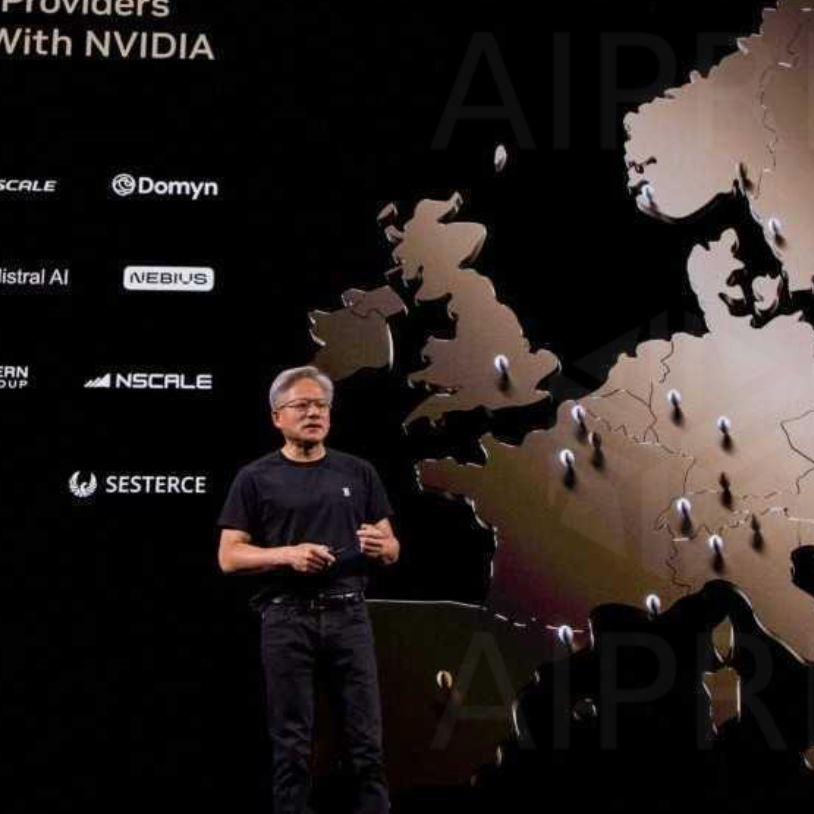
Bull is also involved in assembling Nvidia-based systems.
Some Nvidia NVL systems are partly assembled in the Czech Republic and then completed in Angers through a partnership with Foxconn.
That illustrates the reality of the current AI hardware market.
European infrastructure can contain American processors, European manufacturing and international supply chains.
The objective is therefore not necessarily complete technological isolation.
Instead, Europe is trying to gain greater control over critical parts of the system.
AI infrastructure is becoming a sovereignty issue
The debate around AI sovereignty has become increasingly important in Europe.
If companies and governments depend entirely on foreign cloud providers and foreign computing infrastructure, they may have limited control over where sensitive workloads are processed.
That is particularly relevant for governments, healthcare organizations, defense industries and research institutions.
Europe’s response has included investments in domestic supercomputing as well as proposals aimed at strengthening cloud and AI infrastructure.
The European Commission’s Cloud and AI Development Act, proposed earlier this year, focuses on expanding European cloud and data-center capacity while supporting AI infrastructure and technological autonomy.
The energy challenge is growing
More computing power also means more electricity consumption.
That creates a major challenge for Europe.
The continent wants more AI capacity, but it must also manage energy prices, grid capacity and climate objectives.
A large AI data center can require enormous amounts of electricity.
Supercomputers have similar requirements.
Consequently, the future of European AI infrastructure will depend partly on whether computing growth can be matched by energy infrastructure.
Europe is building a different AI strategy
The United States has several companies capable of investing enormous amounts of private capital into AI.
Europe has a different economic structure.
Governments and European institutions therefore play a larger role in financing infrastructure.
EuroHPC is an example of that approach.
Rather than leaving the development of high-performance computing entirely to individual companies, European countries coordinate investments across borders.
The result is a shared infrastructure network.
Why the Bull expansion matters
The Angers expansion is therefore about more than one factory.
It represents Europe’s attempt to create an industrial base for the AI era.
Europe needs researchers who can access powerful computers.
Companies need computing capacity for AI development.
Governments need infrastructure they can trust.
And European manufacturers need to capture more value from the hardware supply chain.
Bull’s expansion addresses part of that challenge.
The broader European strategy is becoming increasingly clear: if AI is going to become critical infrastructure, Europe wants to manufacture and control more of the machines that make it possible.





Laat een reactie achter