

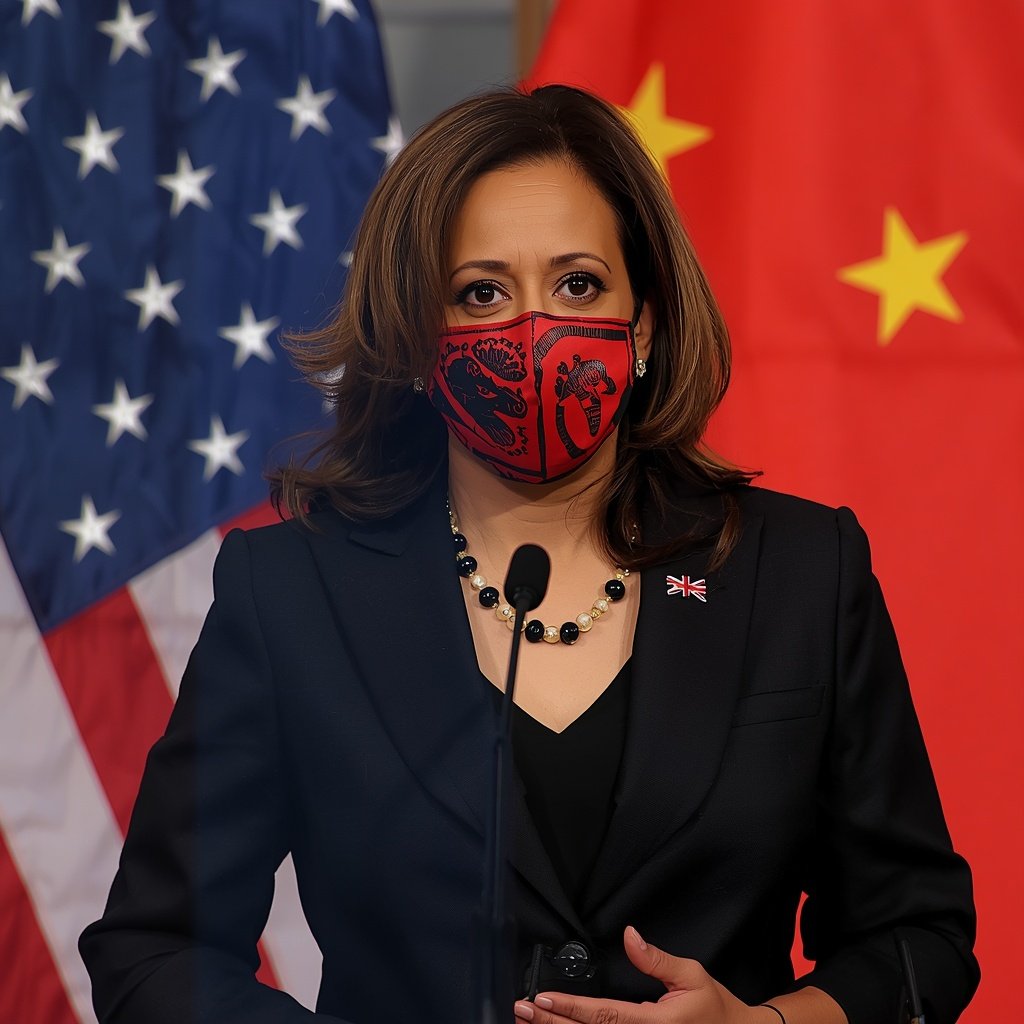
Former US Vice President Kamala Harris has called for governments and AI developers to act quickly to reduce the most serious risks posed by advanced AI. Speaking at South Korea’s Asan Institute for Policy Studies, she highlighted three areas of concern: AI-enabled cyberattacks, weapons powered by AI, and systems that could become difficult for people to control.
Her most consequential point was geopolitical. Harris argued that the United States should work with China on international AI rules even while the two countries remain strategic competitors. In her view, competition does not have to rule out cooperation where both sides face the same dangers.
Why this matters
The US and China are central to the development of advanced AI, but they also distrust one another over national security, computing hardware and technological leadership. That makes an international safety agreement difficult: each country may fear that restrictions could slow its own industry while benefiting its rival.
Yet AI risks do not respect borders. A cyberattack using AI tools, the spread of dangerous model capabilities, or a failure in a widely used system could affect countries far beyond where the technology was developed.
Harris’s comments reflect a broader question facing the world: can countries agree on minimum safety standards without agreeing on who should lead the AI race?
What to watch next
The important test is whether calls for cooperation turn into concrete measures: shared safety testing, incident reporting, emergency communication between governments, and agreed procedures for handling particularly dangerous capabilities. Speeches can set the agenda, but implementation will determine whether they make AI safer.
Source: Reuters — Harris urges US–China cooperation on AI safeguards





Laat een reactie achter