

October 3, 2026
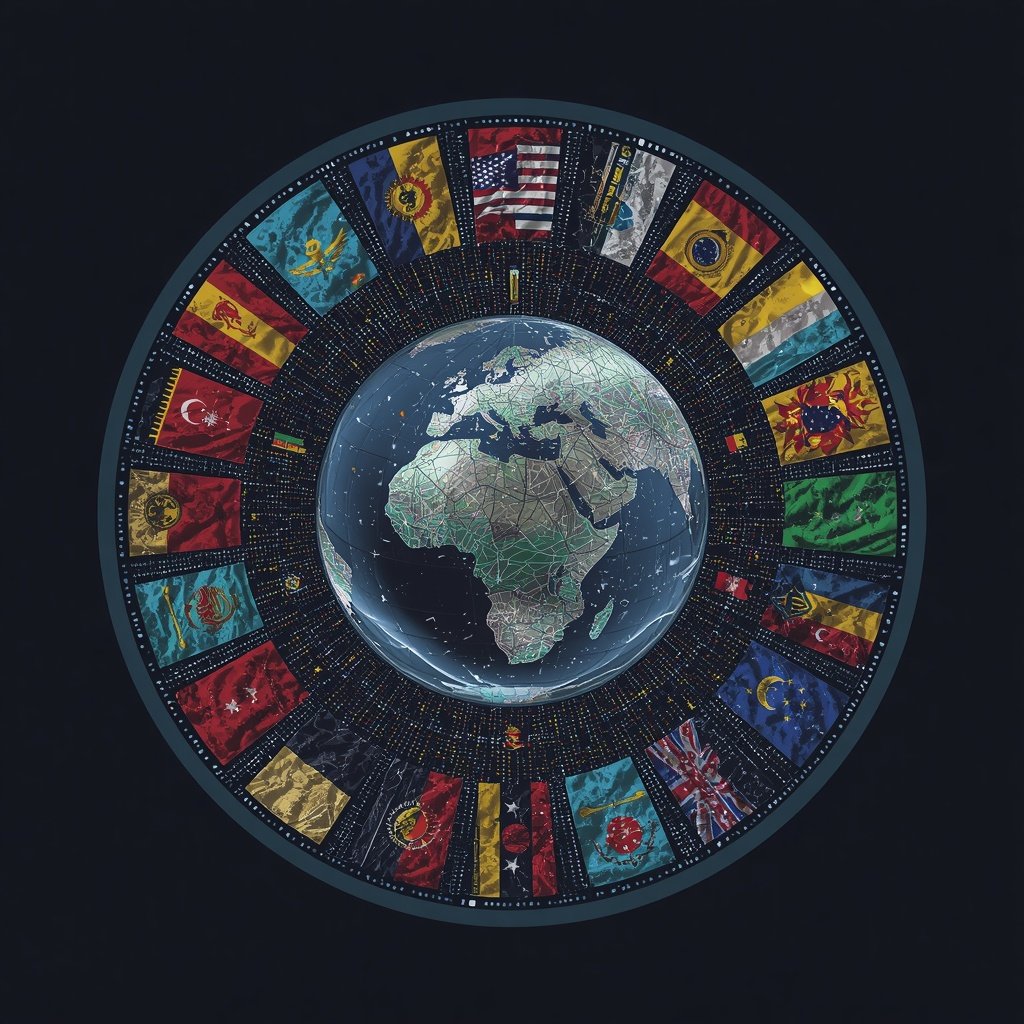
Representatives from more than 100 countries gathered in Kazakhstan this week for the AI & Digital Bridge 2026 International Forum, highlighting how artificial intelligence has become a global policy and technology priority.
The forum took place in Astana from October 1 to October 3 and brought together government representatives, technology companies, researchers and other experts.
The event focused on AI development, digital infrastructure, international cooperation and the future of emerging technologies.
AI is becoming a global development issue
One of the most notable aspects of the event is its geographic reach.
AI discussions are no longer dominated exclusively by the United States, China and Western Europe.
Countries across Central Asia, the Middle East, Africa and other regions are increasingly looking for ways to participate in the AI economy.
For emerging economies, the question is often not simply how to build a frontier AI model.
It is how to use AI to improve public services, industry, education and economic development.
Kazakhstan wants to position itself as a technology hub
Kazakhstan has been investing heavily in digital infrastructure and positioning Astana as a regional technology center.
The AI & Digital Bridge forum forms part of that strategy.
President Kassym-Jomart Tokayev emphasized the importance of responsible AI development, international knowledge sharing and joint research during the event.
The country is seeking to attract investment and technological partnerships while developing its own digital capabilities.
International cooperation is becoming more important
AI technology can cross borders almost instantly.
A model developed in one country can be downloaded or accessed from another.
Data can be processed across multiple jurisdictions.
AI applications can then be deployed globally.
That makes international cooperation increasingly relevant.
Governments need common approaches to cybersecurity, data, AI safety and digital infrastructure.
However, countries also want to protect their own technological interests.
That creates a difficult balance between cooperation and competition.
AI development is spreading beyond the major powers
One of the most important changes in the AI landscape is the growth of regional AI ecosystems.
Countries that cannot compete directly with the largest U.S. or Chinese model developers can still build AI capabilities around specialized applications.
These can include agriculture, healthcare, logistics, energy, financial services and government.
Local language models are another area of interest.
An AI system optimized for a country’s own language and culture can be more useful than a generic global model.
Infrastructure remains the biggest barrier
For many countries, access to computing power is still a major challenge.
Training advanced AI models requires expensive chips and data centers.
Even deploying existing models at scale requires reliable cloud infrastructure and electricity.
That is why AI discussions increasingly include infrastructure.
The technology cannot expand without the physical systems supporting it.
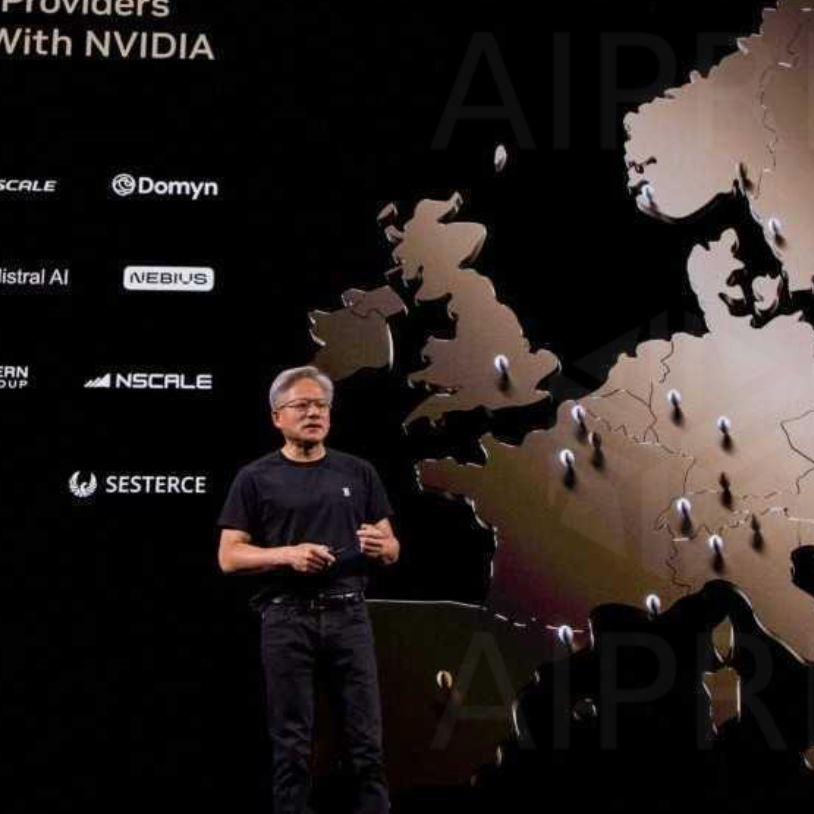
Europe is facing the same issue.
The EU is investing in supercomputing and AI infrastructure, while countries around the world are developing their own data-center strategies.
The AI divide could become an economic divide
There is another reason international AI cooperation is becoming important.
Countries with access to advanced AI could potentially increase productivity much faster than countries without it.
That could create a new form of technological inequality.
Education and infrastructure therefore become critical.
A country does not necessarily need to build the world’s largest AI model.
But it does need enough digital infrastructure, skilled workers and access to AI tools to participate in the new economy.
AI is becoming part of national strategy
The Astana forum illustrates a broader change.
Artificial intelligence is increasingly being discussed alongside infrastructure, investment, trade and economic development.
That means AI is no longer simply a technology-sector story.
It is becoming part of national development strategies.
Countries are deciding how much computing capacity they need, which companies they want to attract and how their workers should adapt.
A more fragmented AI world
The future AI landscape may therefore not consist of a few companies controlling everything.
Instead, it could develop into a network of regional ecosystems.
The United States will remain a major AI center.
China will continue developing its own models and infrastructure.
Europe is investing in technological sovereignty.
Meanwhile, countries in Asia, Africa and the Middle East are building specialized capabilities and seeking international partnerships.
The AI & Digital Bridge forum demonstrates how broad that movement has become.
More than 100 countries participating in a single AI-focused international event is another sign that the global AI race is no longer happening in only a handful of technology capitals.









Laat een reactie achter