

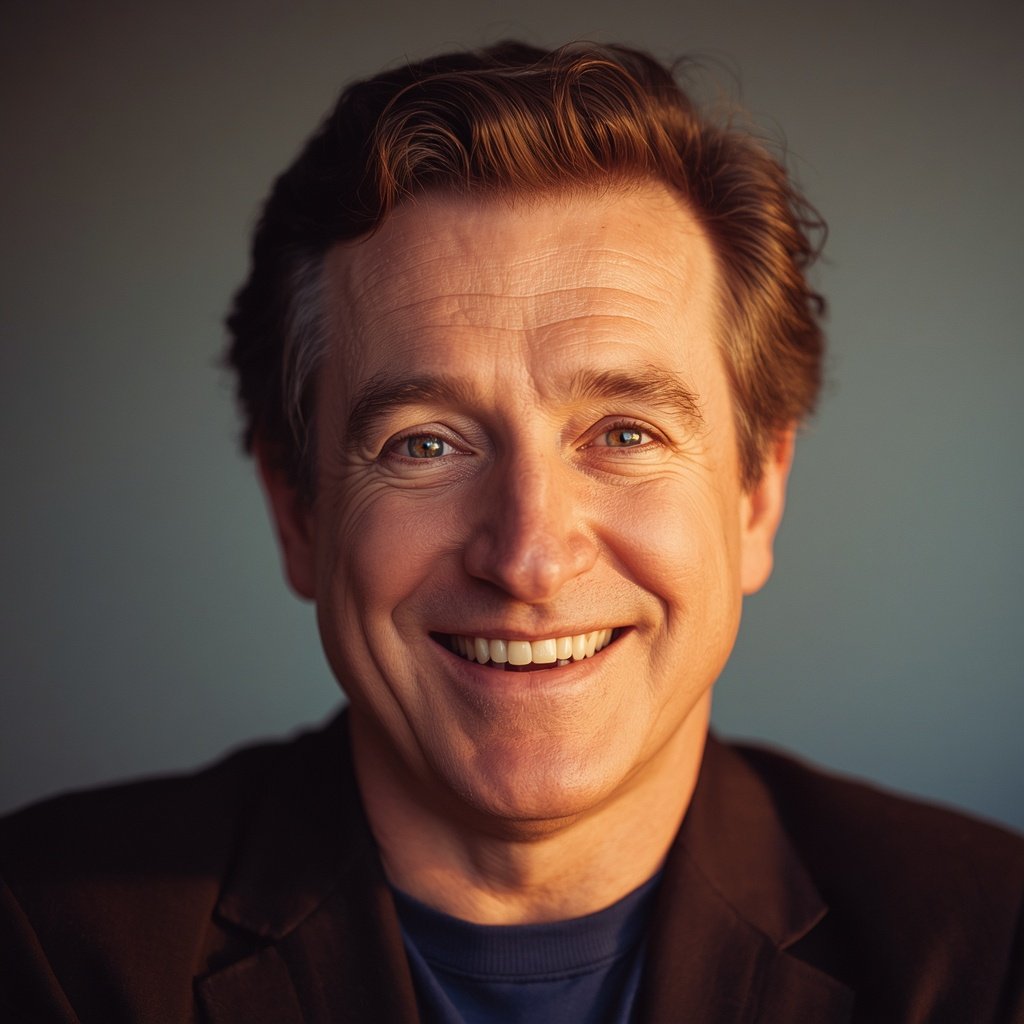
Robin Williams died in 2014.
Apparently, the internet didn’t get the memo.
This week, Williams’ daughter Zelda Williams once again called out people for creating and sharing AI-generated videos of her father — including one supposedly showing him speaking about conspiracy theories.
The problem?
It wasn’t Robin Williams.
It was AI pretending to be Robin Williams.
And according to Zelda, it wasn’t even particularly convincing.
She described the voice as robotic and criticized people who were treating the fake video as if it were real. Her message was essentially: please stop turning my dead father into an unwilling internet puppet.
Welcome to the weirdest part of the AI era
We’ve spent years talking about AI generating photos, writing emails and making videos.
Now we’re entering something much stranger:
AI can make dead celebrities appear to say things they never said.
Think about that for a second.
Your favorite actor dies.
Years later, someone types a prompt.
And suddenly that person is back on your screen, talking about politics, conspiracy theories, products, movies or absolutely anything else.
Except they aren’t back.
It’s a digital imitation.
And sometimes people believe it.
That’s exactly what makes this so uncomfortable.
“But it’s just AI…”
That’s the argument you’ll hear.
It’s entertainment.
It’s satire.
It’s a meme.
And sometimes it probably is.
But the line gets blurry very quickly when millions of people see a video without realizing it’s fake.
A convincing AI recreation doesn’t come with a little flashing sign saying:
“Congratulations! This person never actually said this.”
That’s the problem.
The internet has basically invented digital ghosts
We used to have celebrity impersonators.
Now we have something much stranger.
An AI can potentially recreate someone’s:
- Face
- Voice
- Expressions
- Personality
- Mannerisms
- Writing style
And combine all of them into a person who never actually existed.
It’s basically a digital séance — except instead of a Ouija board, you need a GPU.
Zelda Williams has been publicly pushing back against AI recreations of her father for some time. She and her siblings even revived Robin Williams’ Instagram account to fight misuse of his voice and likeness.
The bigger question
Who gets to decide what happens to someone’s digital identity after they die?
Their family?
Their estate?
A movie studio?
An AI company?
Or random people on the internet with a laptop and too much free time?
That’s one of the biggest questions the entertainment industry is now facing.
And Robin Williams is an especially uncomfortable example because his entire career was built around something AI can now imitate remarkably well:
his voice.
The difference is that Robin Williams chose when to perform.
An AI doesn’t need his permission.
And that’s where the joke stops being funny.
Because the next time you see a legendary celebrity “speaking” online, you might want to ask one simple question:
Did they actually say that — or did someone’s computer just resurrect them for the algorithm?






Laat een reactie achter