

Tesla’s stunt is spectacular, but it is not the only route toward flying vehicles.
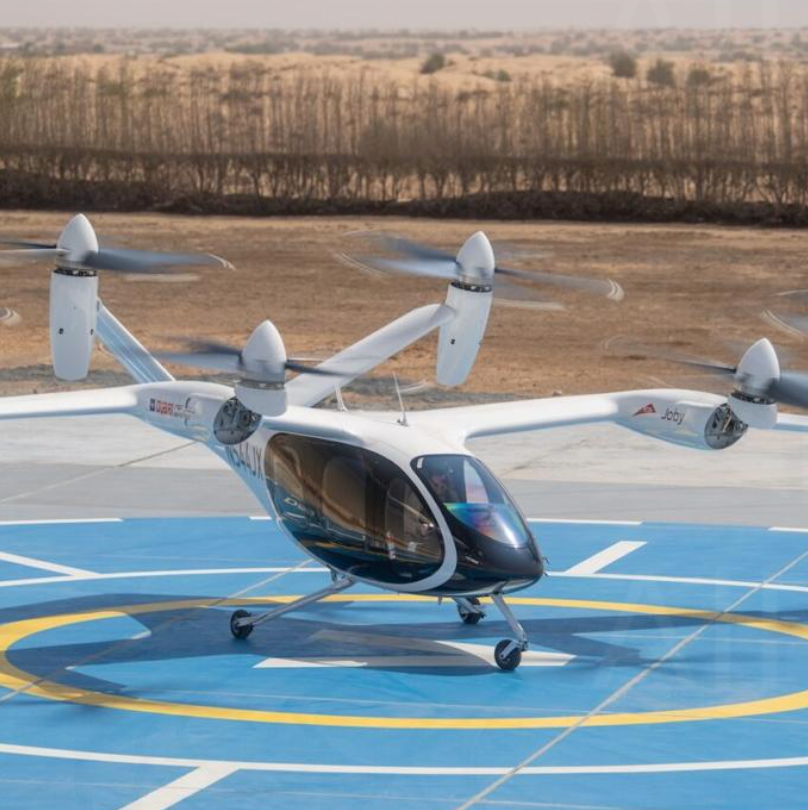
A separate industry is developing electric vertical take-off and landing aircraft, commonly called eVTOLs. These look more like compact aircraft or oversized drones than conventional cars. They are designed to take off and land vertically, potentially carrying passengers on short routes.
The vision is familiar: a passenger could travel from an airport to a city centre without being stuck in road traffic. In practice, that requires far more than a vehicle that can fly.
Operators need aircraft certification, safe flight-control systems, trained staff, suitable landing sites, charging infrastructure and rules for operating in crowded airspace. Noise, operating costs and passenger safety also matter.
The difference between the two ideas is important:
- Tesla’s Roadster: a road-going sports car demonstrated performing brief airborne stunts using thrusters and a special suction system.
- An eVTOL air taxi: an aircraft designed for controlled, sustained flight, with aviation safety and certification requirements.
Both are futuristic, but they solve different problems. A flying sports car is an attention-grabbing engineering spectacle; an air taxi has to prove it can repeatedly transport people safely and economically.
For now, flying taxis remain an emerging transport category rather than a replacement for the family car.














Laat een reactie achter