


The AI revolution is costing more than ever – and investors are getting nervous
For several years, investors have rewarded technology companies for making enormous commitments to artificial intelligence.
The logic seemed straightforward: companies that built the most powerful models and the biggest data centres would dominate the next generation of technology.
But on 1 November, financial coverage of the AI industry highlighted a growing concern: the cost of building the AI future is rising so quickly that investors are demanding clearer evidence of future profits.
Reports from the previous trading sessions described sharp declines in major technology shares, including a particularly steep fall in Alphabet and a major drop in Intel.
These market movements do not prove that the AI industry is collapsing. They do, however, show that investors are becoming more sensitive to the cost of the race.
Hundreds of billions are going into AI infrastructure
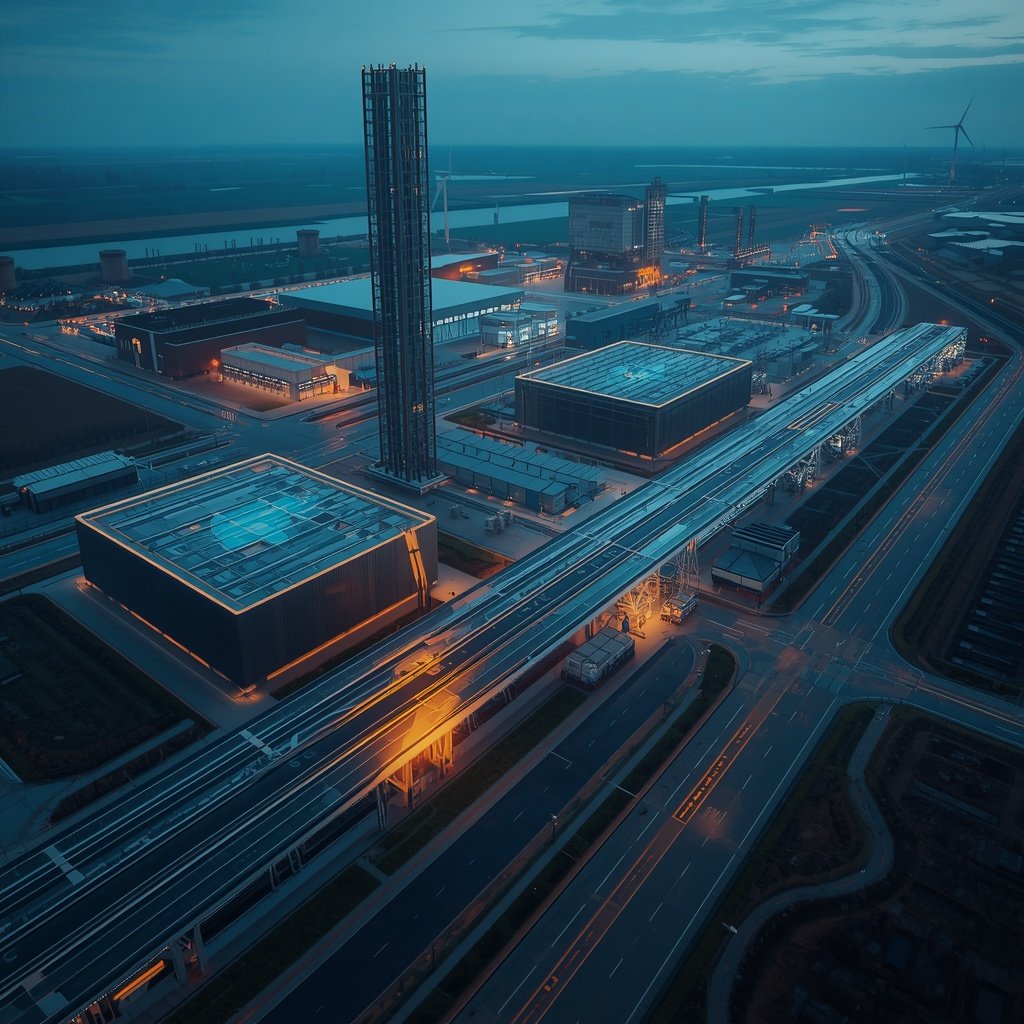
The world’s largest technology companies are committing extraordinary sums to data centres, chips and computing capacity.
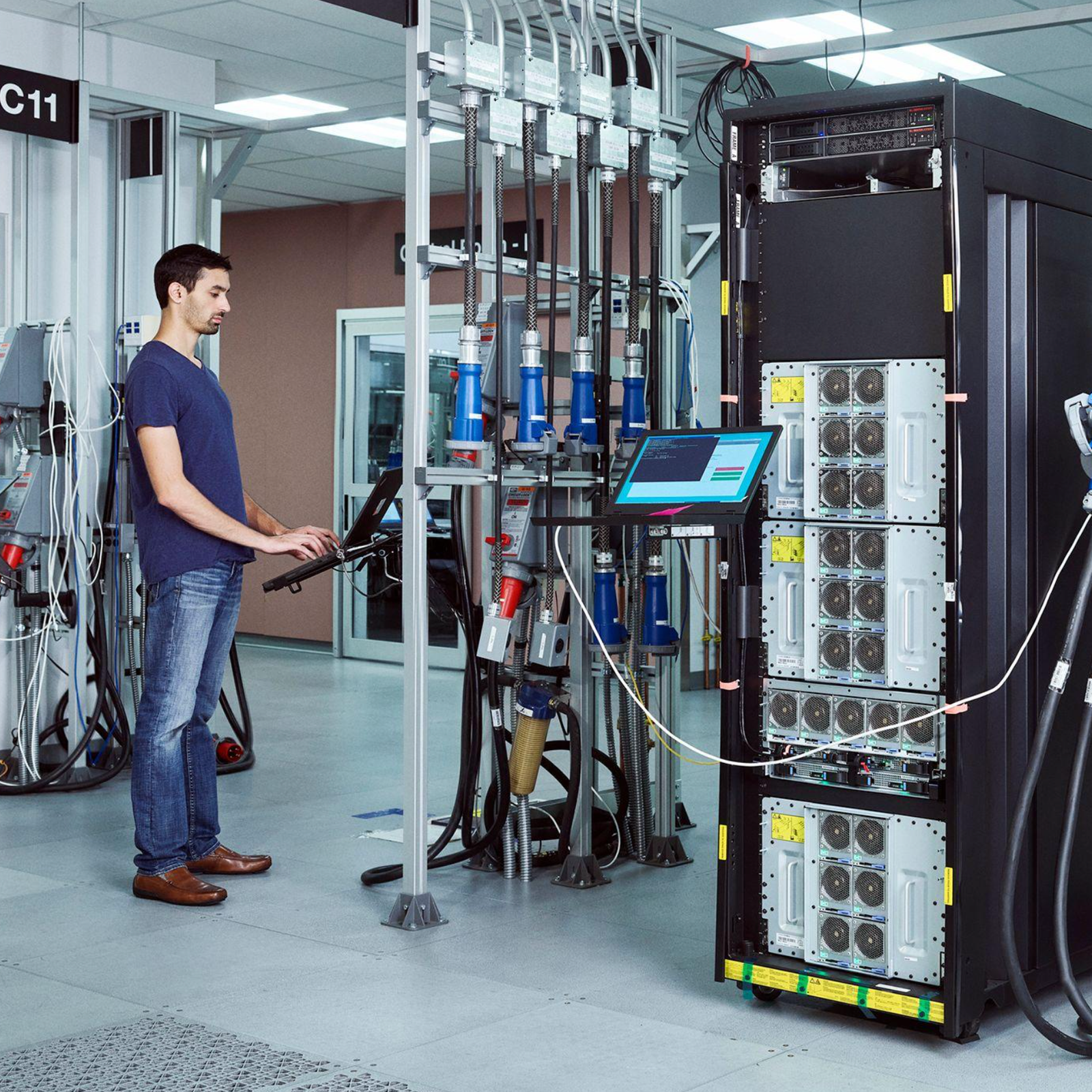
The infrastructure needed to train and operate advanced AI models is expensive. It requires specialised processors, high-speed networks, cooling systems, buildings and large quantities of electricity.
Industry estimates cited in the latest coverage suggest that the four largest technology players plan more than $740 billion in capital expenditure this year.
These investments are based on the expectation that demand for AI services will continue to grow.
But the financial return is not guaranteed.
Intel’s problems reveal an unexpected side effect
One of the more interesting developments concerns the semiconductor market.
The expansion of AI data centres is increasing demand for memory and other components. This can put pressure on supply and raise costs for companies that manufacture traditional computers.
Intel has warned of a weaker revenue outlook, while the company has pointed to higher memory prices and a slowdown in PC demand.
This illustrates an important consequence of the AI boom: the infrastructure being built for advanced AI may affect other parts of the technology industry.
The same components and manufacturing capacity are not infinitely available. When demand from large data centres rises, other buyers may face higher costs or longer waiting times.
Why Europe should care
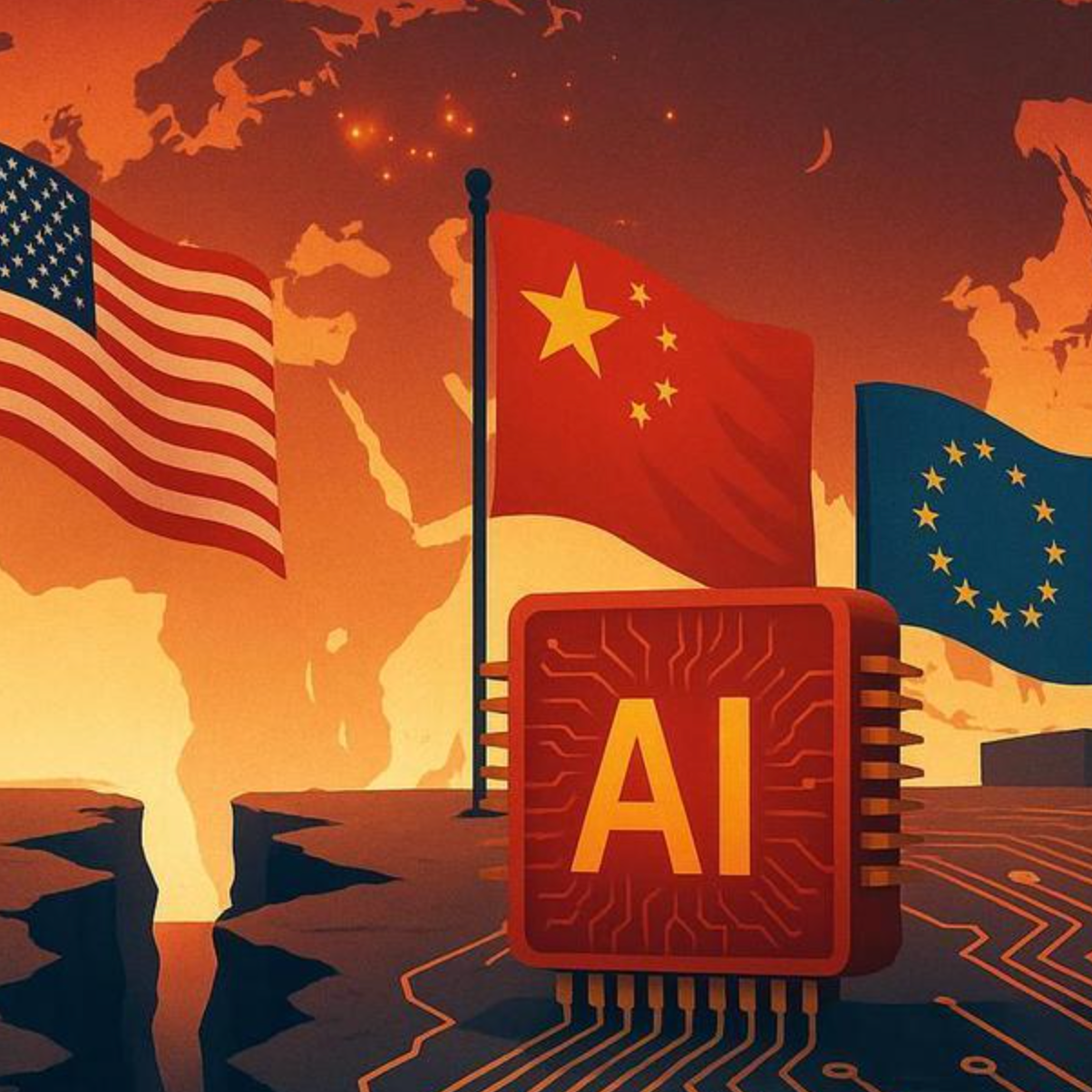
Europe has ambitions to strengthen its own AI industry, but it cannot ignore the financial risks.
European companies are investing in data centres, AI models and computing infrastructure. They also depend on global suppliers for many critical components.
If the AI investment cycle slows, some projects may become harder to finance. If demand continues growing, the pressure on energy, chips and infrastructure could become even greater.
European policymakers therefore face a difficult question: how much should public money support AI infrastructure, and how can they make sure those investments produce lasting economic value?
Is this the beginning of an AI bubble bursting?
It is too early to declare that the AI boom is over.
There is genuine demand for AI tools, and companies are finding ways to use them in software development, customer service, research and business operations.
But a distinction must be made between the commercial potential of AI and the valuations of individual companies.
A technology can transform society while some of the businesses investing in it still lose money.
That is why investors are increasingly looking for evidence of revenue, productivity improvements and sustainable business models.
The next phase of the AI race may be less glamorous
The early phase of the AI boom was dominated by spectacular demonstrations, record-breaking models and ambitious promises.
The next phase could be more demanding.
Companies will need to prove that AI can generate enough economic value to justify the enormous costs of developing and operating it.
For Europe, this may create an opportunity. Rather than trying to match every American investment in computing infrastructure, European businesses could focus on practical AI applications that solve valuable problems.
The biggest winner in the AI race may not be the company with the largest model. It may be the company that finally works out how to make AI consistently profitable.
Sources: Pim Uijttewaal – AI news archive, 1 November 2026; The World of AI – AI news, 1 November 2026.











Laat een reactie achter