

UNITED KINGDOM · AI SAFETY · 27 OCTOBER 2026
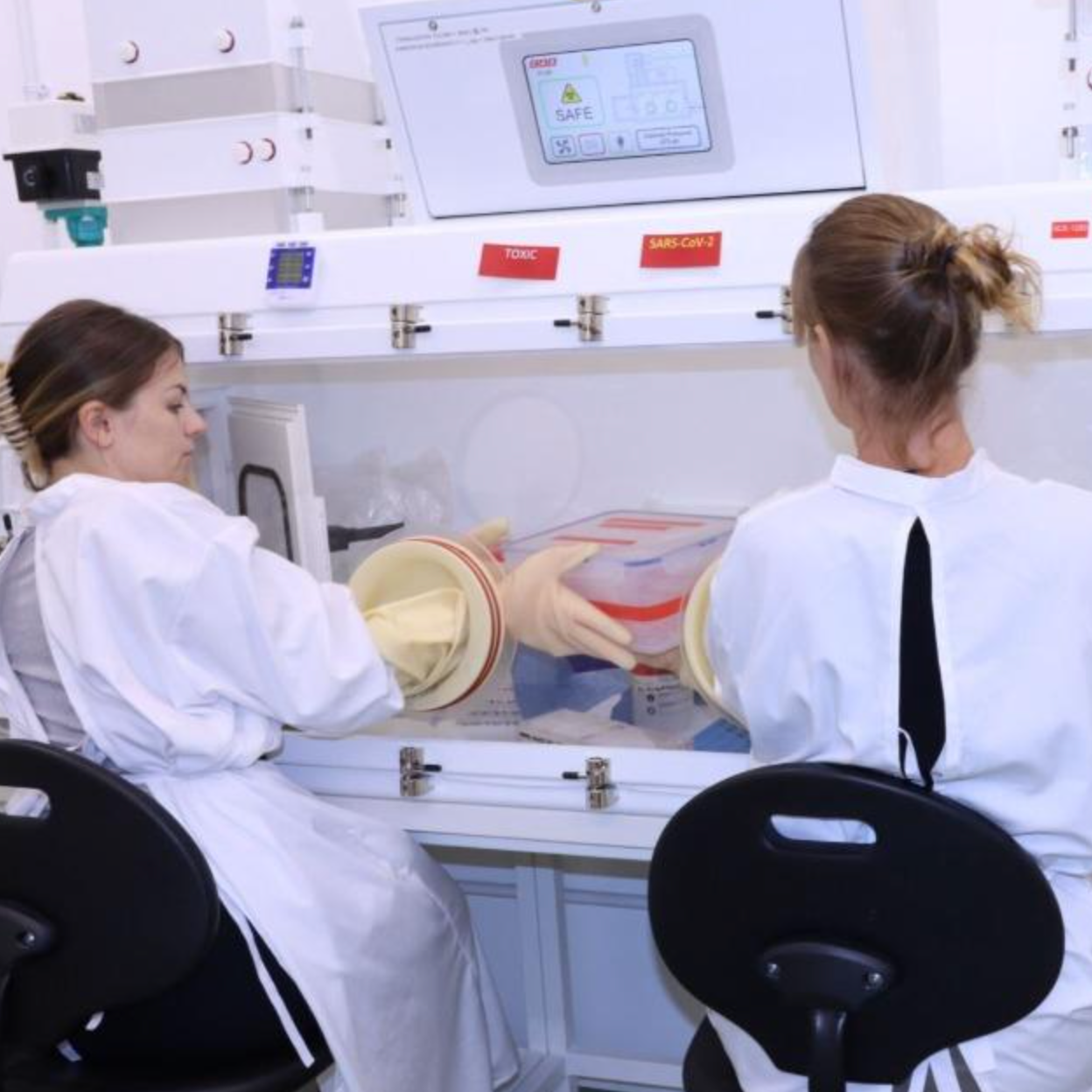
The United Kingdom is establishing a dedicated AI Biosecurity Lab backed by £100 million in government funding, in a move intended to help the country identify and respond to biological threats that could be amplified by advances in artificial intelligence.
The initiative forms part of the UK’s National AI Biosecurity Initiative and is being presented as a specialist effort to examine the risks emerging as increasingly capable AI systems become more widely available. Its launch reflects growing concern among governments that powerful AI tools could have consequences beyond conventional digital security, particularly when they intersect with biotechnology and biological research.
Artificial intelligence is already being used to analyse biological data, assist scientific research and accelerate parts of drug discovery. These applications could deliver significant public benefits, but experts and policymakers are also examining whether similar capabilities could make certain dangerous biological activities easier to plan or carry out.
The new lab is intended to help address that challenge by building specialised expertise around the relationship between AI and biological security.
Why AI biosecurity is becoming a government priority
AI systems can help researchers process enormous volumes of scientific information, identify patterns and explore possibilities that might otherwise take much longer to investigate. In legitimate research settings, these capabilities may contribute to faster scientific progress and better understanding of disease.
However, the same broad technological advances raise difficult questions about how to prevent misuse. As AI models become more capable of reasoning across complex scientific information, governments need ways to evaluate risks without unnecessarily obstructing beneficial research.
Biosecurity is especially challenging because the consequences of misuse can extend beyond an individual organisation or country. Biological threats may require coordination among public-health authorities, research institutions, security agencies and international partners.
A dedicated laboratory could help bring these different areas of expertise together, supporting research into how AI capabilities should be assessed and how protective measures can be developed before emerging risks become more difficult to manage.
A growing focus on AI beyond cybersecurity
Much of the public debate around AI safety has centred on misinformation, privacy, automated decision-making and cyberattacks. Biosecurity adds another dimension: the possibility that advanced digital tools could influence activities in the physical world.
This is not the same as saying that AI systems automatically create biological threats. The risks depend on the capabilities of particular systems, the information they can access, how people use them and whether appropriate safeguards are in place.
The UK initiative signals that policymakers increasingly view AI safety as a cross-disciplinary issue. Technical model testing alone may not be enough; governments may also need specialist scientific knowledge, threat assessments, security procedures and cooperation with legitimate research communities.
What the £100 million investment could mean
The funding provides a substantial basis for developing specialist capacity, although the precise impact will depend on how the programme is organised, which research priorities it adopts and how effectively its findings are translated into practical safeguards.
Potential priorities for an initiative of this kind include evaluating AI systems for biological misuse risks, improving methods for identifying dangerous capabilities, strengthening cooperation between AI developers and scientific experts, and helping public authorities prepare for emerging threats.
The challenge will be to strike a careful balance. Excessively restrictive approaches could slow beneficial scientific research, while inadequate controls could leave governments and institutions unprepared for new forms of misuse.
For the UK, the lab also offers an opportunity to contribute to international discussions about how advanced AI should be assessed in sensitive scientific fields.
Why Europe should pay attention
Although the initiative is British, its implications extend across Europe. Biological risks do not respect national borders, and AI technologies are developed, deployed and accessed internationally.
European governments will be watching how the UK builds its specialist capacity and whether its work can support broader cooperation on AI safety, scientific research and public protection.
The wider question is becoming increasingly urgent: as AI systems become more capable, can governments develop effective safeguards at the same pace as the technology itself?
The creation of a dedicated lab backed by £100 million suggests that the UK intends to treat AI biosecurity as a distinct area of national preparedness rather than leaving it entirely within traditional technology policy.
SEO title: UK Launches £100 Million AI Biosecurity Lab to Address Emerging Threats
Meta description: The UK is establishing a £100 million AI Biosecurity Lab to assess emerging biological risks linked to artificial intelligence and strengthen national preparedness.
Keywords: UK AI biosecurity, artificial intelligence safety, AI biological threats, UK National AI Biosecurity Initiative, AI regulation Europe.














Laat een reactie achter