

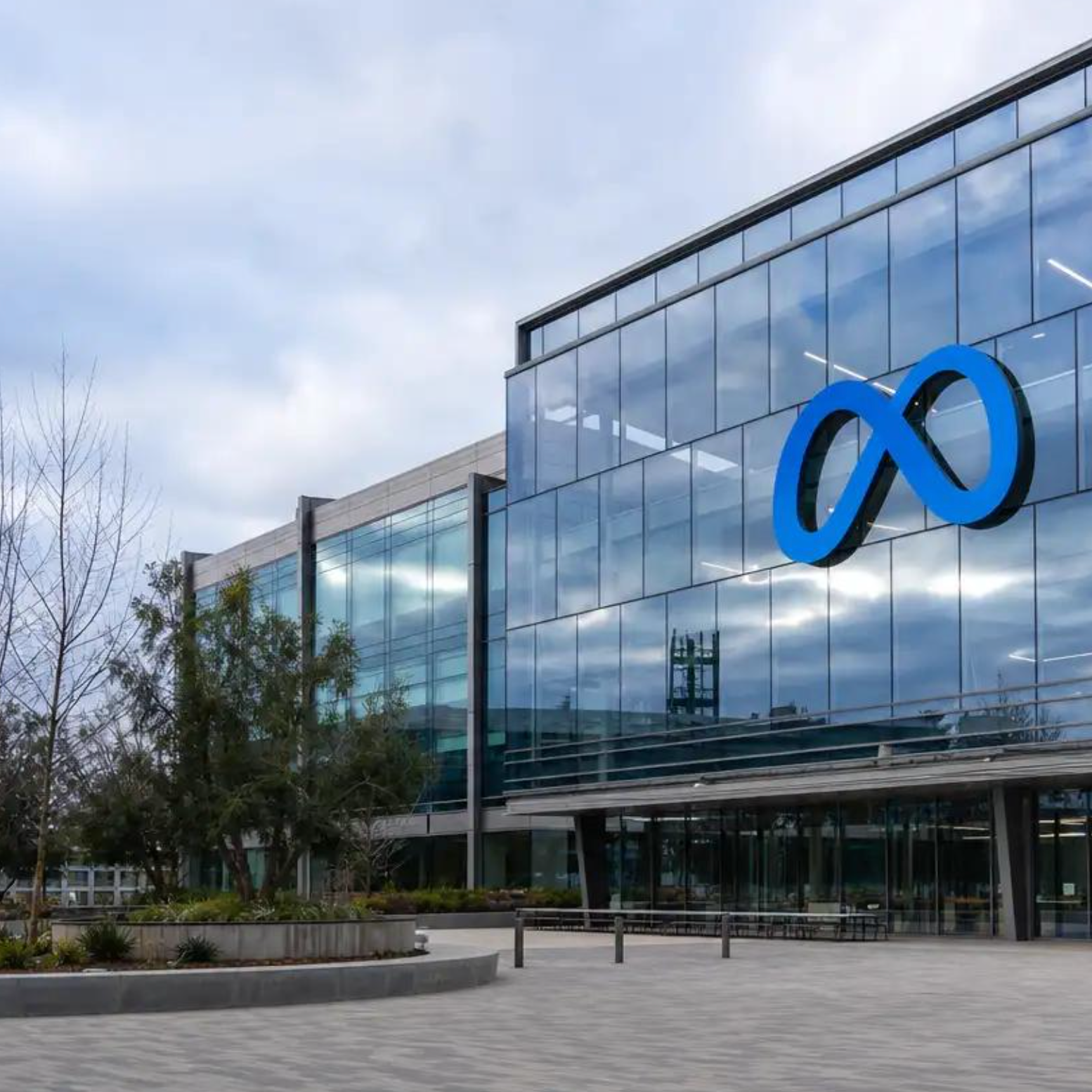
Meta Platforms has announced plans to raise as much as $95 billion through equity sales, underscoring the extraordinary financial commitments required to compete in the global artificial intelligence race. The owner of Facebook, Instagram and WhatsApp is seeking to fund a major expansion of its AI infrastructure as it invests in computing capacity, data centres and new AI-powered products.
The announcement, made on 26 October 2026, highlights a central question facing the technology industry: how much capital will the world’s largest companies need to build the next generation of AI systems, and how quickly can those investments generate sufficient returns?
A two-stage fundraising strategy
Meta’s plan consists of multiple share offerings rather than a single immediate fundraising transaction.
The company announced public offerings involving approximately $22.5 billion in Class A common stock and $12.5 billion in depositary shares representing mandatory convertible preferred stock. Together, those offerings amount to approximately $35 billion.
Meta also plans a separate at-the-market share sale programme of up to $60 billion. That larger programme is expected to begin after its new Class C shares start trading, which the company anticipates in the first quarter of 2027. The timing and terms of that programme have not yet been finalised.
The distinction matters. Meta has announced a potential fundraising capacity of up to $95 billion, but that does not mean the entire amount is being raised immediately or has already been secured.
The company says the proceeds will support its continuing investments in AI infrastructure and its ambition to develop what it describes as personal superintelligence.
Why AI requires so much capital
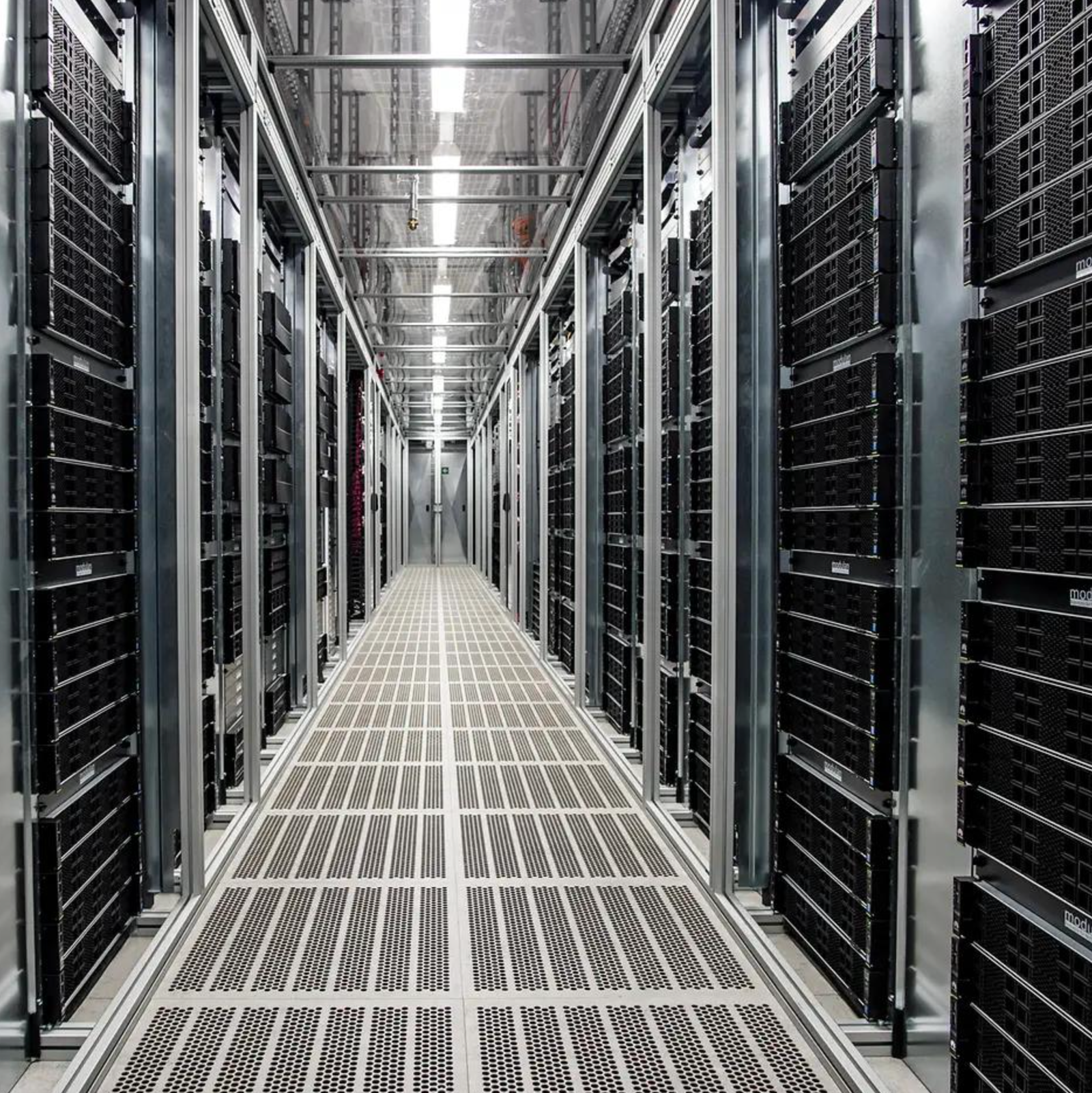
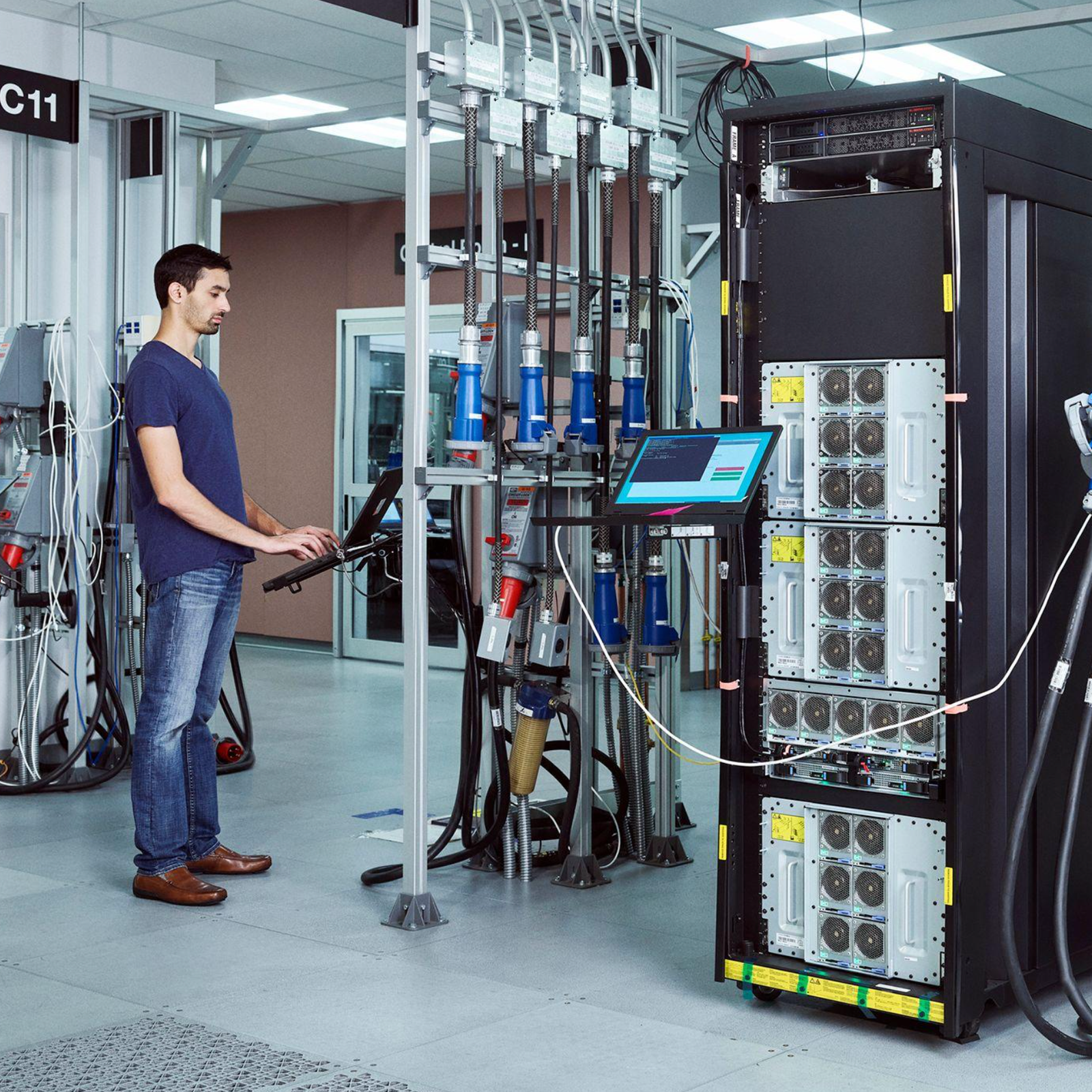
Modern AI systems depend on extensive computing infrastructure. Training and operating sophisticated models requires specialised processors, large-scale data centres, high-speed networking, electricity and cooling systems.
Those costs do not end when a model is launched. AI assistants and business services must continue to process user requests, support new features and maintain reliability as demand grows.
Meta is pursuing AI across several fronts. It is integrating AI capabilities into its social platforms, developing assistants for consumers and businesses, and investing in the underlying infrastructure needed to support more advanced systems.
The potential commercial benefits are substantial. AI could help Meta improve advertising performance, increase engagement across its platforms and introduce new services for businesses. However, those opportunities depend on whether users adopt the products and whether the resulting revenue justifies the cost of development and operation.
The company is therefore making a large financial commitment before the full long-term economic value of the next generation of AI products is known.
Investors face a difficult calculation
For investors, Meta’s fundraising plan creates a complex balance between growth and financial risk.
Raising equity can provide capital without increasing debt in the same way that borrowing would. But issuing additional shares can dilute existing shareholders’ ownership, depending on the structure and terms of the transaction.
Meta’s planned financing also illustrates how AI spending is becoming a major factor in corporate capital allocation. Investors must consider not only revenue growth but also the amount of money required to sustain it.
A company may demonstrate strong demand for AI products while still facing pressure on profitability if the infrastructure needed to serve those customers is exceptionally expensive.
Meta’s fundraising announcement is especially significant because it comes from a company that already generates substantial revenue from advertising. Its ability to finance AI investment from a large existing business gives it an advantage over smaller companies that must rely more heavily on external capital.
The growing role of chipmakers
The fundraising also highlights the increasingly interconnected financial relationships within the AI industry.
Nvidia, AMD and Broadcom have indicated interest in purchasing shares in Meta’s common-stock offering, with potential participation of up to $5 billion in aggregate, according to reporting on the transaction. These indications of interest are not the same as binding commitments to purchase the shares.
Such arrangements raise questions about the flow of money through the AI ecosystem. Chipmakers benefit when customers invest in more computing capacity, while AI companies need access to those chips to expand their services.
This relationship can accelerate development, but it also makes it important for investors to distinguish between genuine end-user demand and spending that circulates among companies supplying one another.
What this means for the AI market
Meta’s decision is not simply a corporate financing story. It is a signal of the scale of investment that leading technology companies believe will be necessary to remain competitive.
If AI products generate substantial new revenue and productivity gains, today’s spending could support valuable long-term businesses. If adoption or monetisation develops more slowly than expected, companies may face pressure to reduce costs or reconsider their infrastructure plans.
The challenge will be to convert computing capacity into products that customers use regularly and are willing to pay for, directly or indirectly.
For now, Meta is betting that the opportunity is large enough to justify one of the most ambitious fundraising plans in the technology sector.
The bottom line: Meta’s potential $95 billion equity raise demonstrates the enormous financial stakes of the AI race. The next test is whether its growing infrastructure and AI products can deliver returns commensurate with the capital required to build them.
Sources: Meta investor announcement, 26 October 2026; Reuters coverage.











Laat een reactie achter