


Germany is experiencing a sharp increase in startup creation, with artificial intelligence emerging as one of the main drivers. A record 3,000 startups were launched in the first half of 2026, representing a 52% increase compared with the previous period, according to Reuters.
Around one-third of the new companies focus on AI, highlighting how the technology is reshaping Germany’s entrepreneurial landscape even as established industrial businesses face economic pressure.
AI offers an alternative to traditional industrial growth
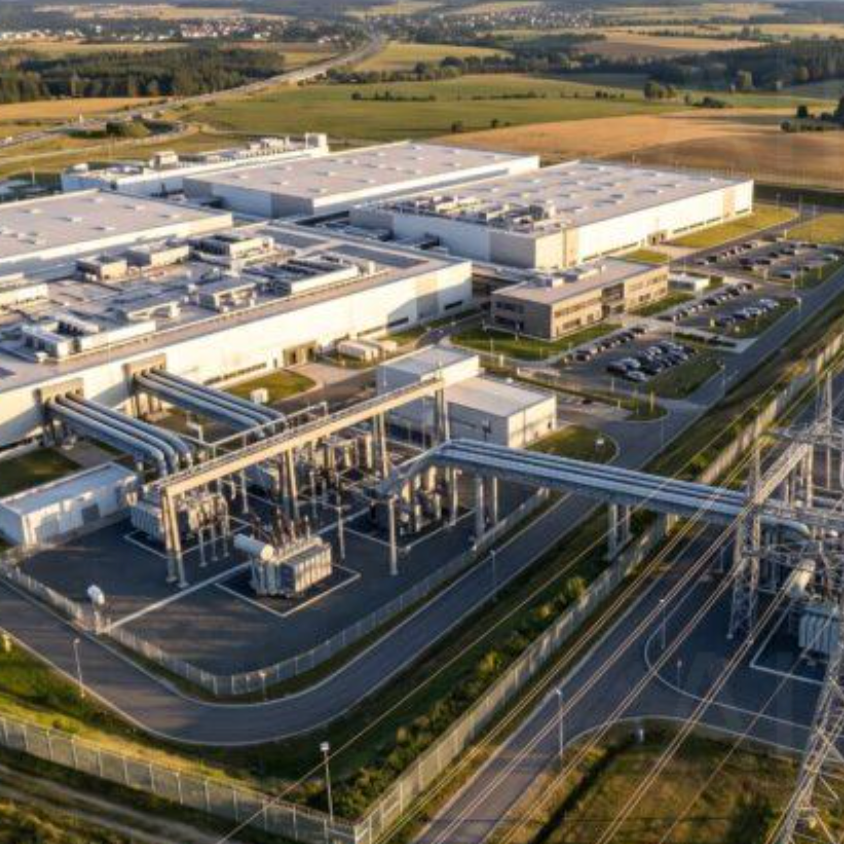
Germany’s economy has long relied on manufacturing, automotive engineering and industrial exports. Companies in these sectors are now under pressure to modernise operations, manage costs and compete internationally.
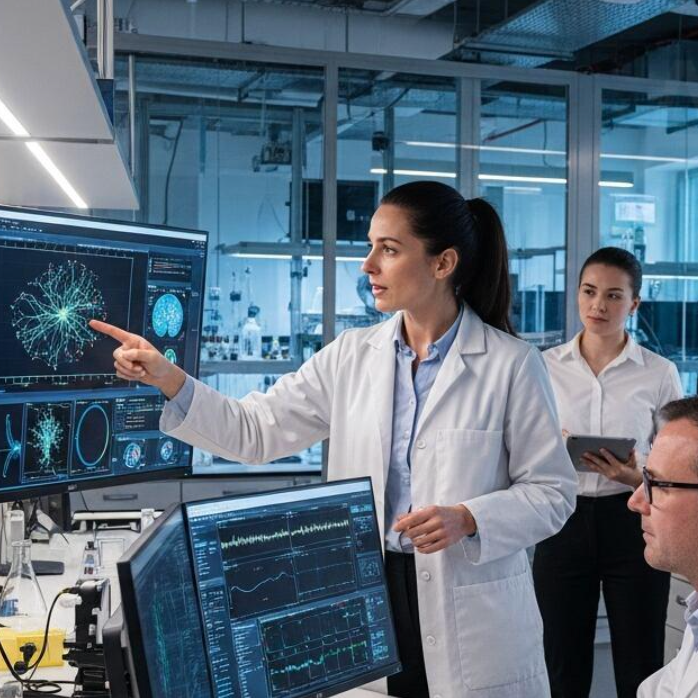
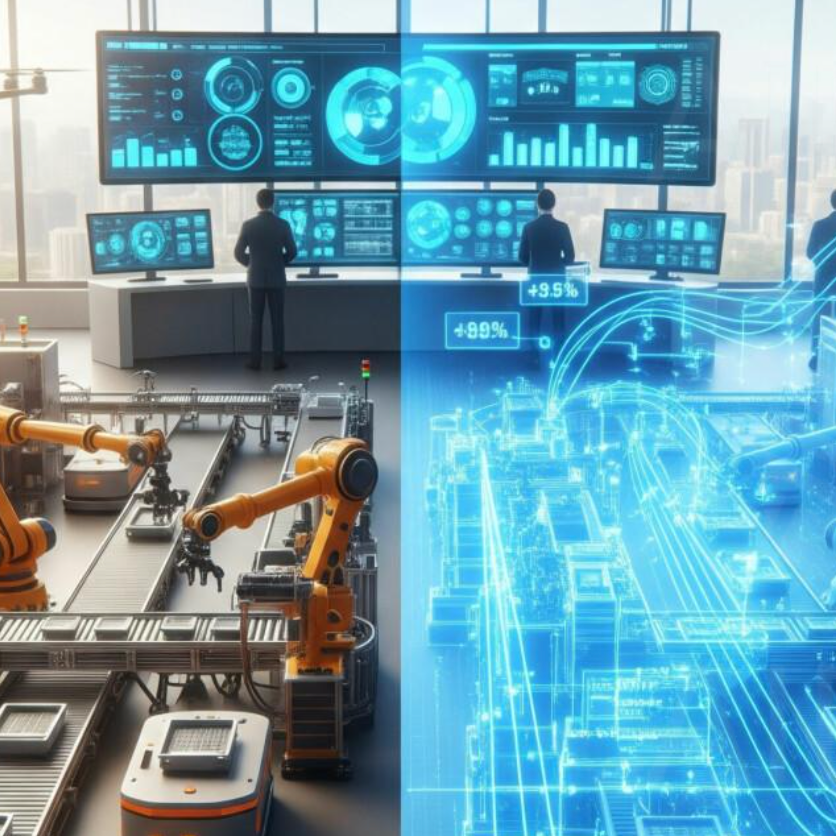
AI startups are developing tools designed to address these challenges. Applications include automating administrative processes, improving industrial maintenance, analysing supply chains and helping businesses make decisions using large amounts of operational data.
The shift is also creating opportunities for engineers and other professionals leaving traditional industries to establish technology companies of their own.
Funding remains a major obstacle
Despite the increase in startup creation, Germany still faces a significant financing gap compared with the United States.
Reuters reported that German AI funding reached approximately €5.7 billion in 2026, compared with $308 billion in the United States. These figures use different currencies and reflect the funding measures cited in the report, but they illustrate the considerable difference in investment scale.
Germany’s government has responded with a startup and scale-up strategy intended to reduce bureaucracy, improve access to capital and make it easier for young companies to expand.
However, launching a startup is only the first step. Companies also need customers, computing resources, specialist employees and sufficient funding to compete internationally.
What this means for Europe’s AI industry
Germany’s startup growth could strengthen Europe’s position in industrial AI, where knowledge of manufacturing and engineering can provide an advantage.
The key question is whether these young businesses can grow into internationally competitive companies rather than being acquired early or relocating to markets with deeper investment pools.
For European businesses, the growth in AI startups also creates a wider range of potential suppliers and technology partners. The next phase will depend on whether their tools deliver measurable improvements in productivity, cost and quality.
Source: Reuters — AI hopes and industrial malaise drive boom in German startups







Laat een reactie achter