

September 25, 2026 | AI News
Google is taking one of the most unconventional approaches yet to the growing demand for artificial intelligence computing.
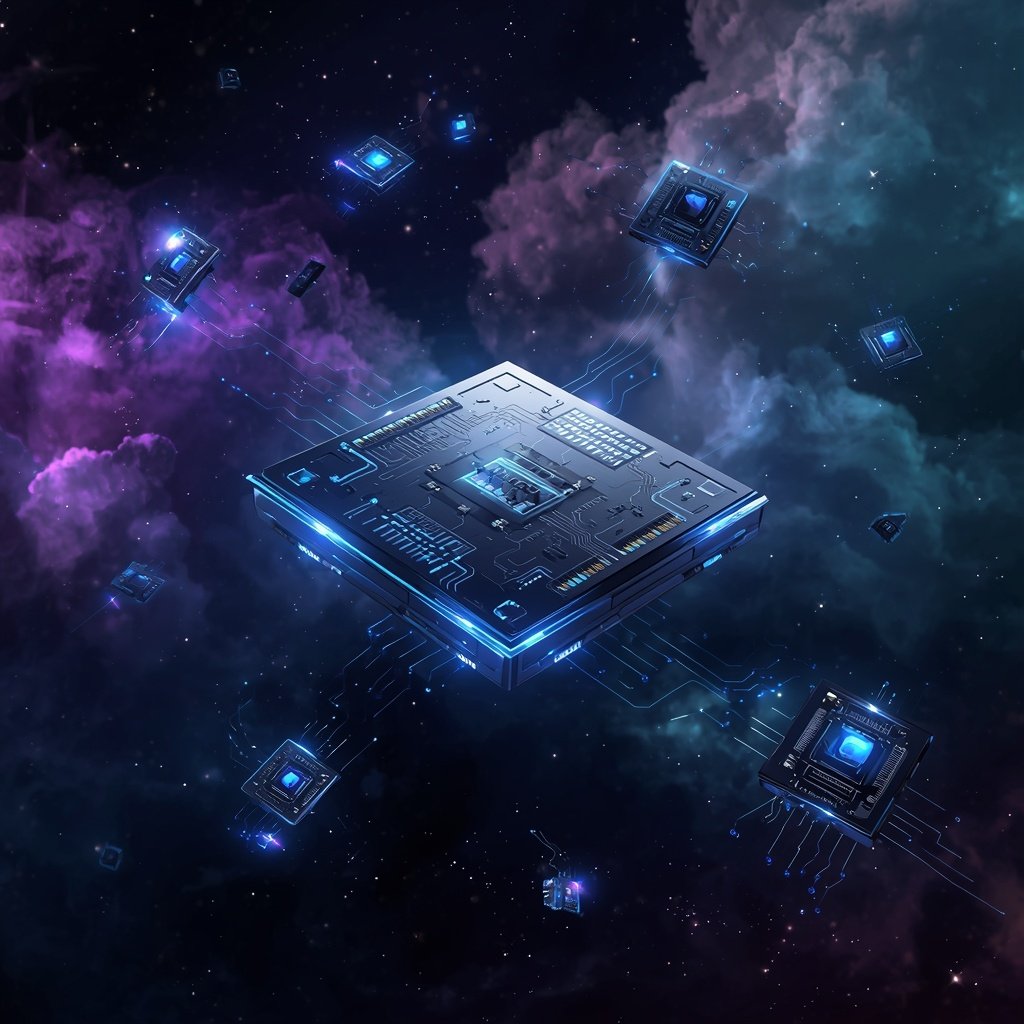
The company is preparing to launch a prototype satellite carrying Google Tensor Processing Units, or TPUs, into low Earth orbit as part of Project Suncatcher.
The first test is scheduled for October 1 aboard SpaceX’s Transporter-18 rideshare mission. Google says the mission is designed to determine how its AI hardware performs in the extreme environment of space.
The long-term idea is even more ambitious: build scalable machine-learning infrastructure in orbit.
Why put AI in space?
At first glance, the idea seems unnecessary.
Earth has thousands of data centers, and companies are building many more.
But Google sees a potentially important advantage in space: sunlight.
Satellites in low Earth orbit can receive sunlight for much longer periods than solar installations on the ground, potentially allowing future orbital computing systems to generate large amounts of solar energy.
Google says satellites could eventually be connected into constellations capable of handling larger AI workloads.
The concept is still experimental.
But it addresses one of the biggest problems facing AI infrastructure: energy.
The first mission is deliberately small
Google is not launching a giant orbital data center next week.
The initial spacecraft is a technology demonstration.
It will carry a small number of TPUs and will be used primarily to understand whether the hardware can survive the conditions of space.
That includes vibration during launch, radiation, extreme temperatures and the challenges associated with cooling electronics in a vacuum.
Google says its laboratory tests have already indicated that its Trillium TPUs can tolerate radiation levels beyond those expected during a five-year space mission. But actual operation in orbit will provide data that cannot be obtained fully on Earth.
Cooling is one of the biggest challenges
One of the less obvious problems is heat.
AI chips generate substantial amounts of heat.
On Earth, data centers can use air conditioning, fans and liquid cooling systems.
Space is different.
There is no atmosphere around a satellite, meaning conventional airflow-based cooling does not work.
Heat has to be transferred through conduction and ultimately radiated away.
Google is therefore experimenting with heat pipes and radiators designed specifically for orbital environments.
This makes Project Suncatcher as much an engineering experiment as an AI project.
The economics are still uncertain
There is an enormous gap between demonstrating that a TPU can operate in orbit and proving that orbital AI data centers make economic sense.
Launching hardware into space remains expensive.
Maintenance is difficult.
Hardware failures are considerably harder to repair.
Communication between satellites and Earth also introduces latency and bandwidth constraints.
And the satellites themselves need to be designed for an environment that is far more hostile than a conventional data center.
Google therefore has several problems to solve before the concept could become commercially meaningful.
But the strategic idea is important
Even if orbital data centers remain decades away from widespread adoption, Project Suncatcher illustrates how seriously the industry is thinking about the physical constraints of AI.
AI computing requires three things in enormous quantities:
chips, energy and infrastructure.
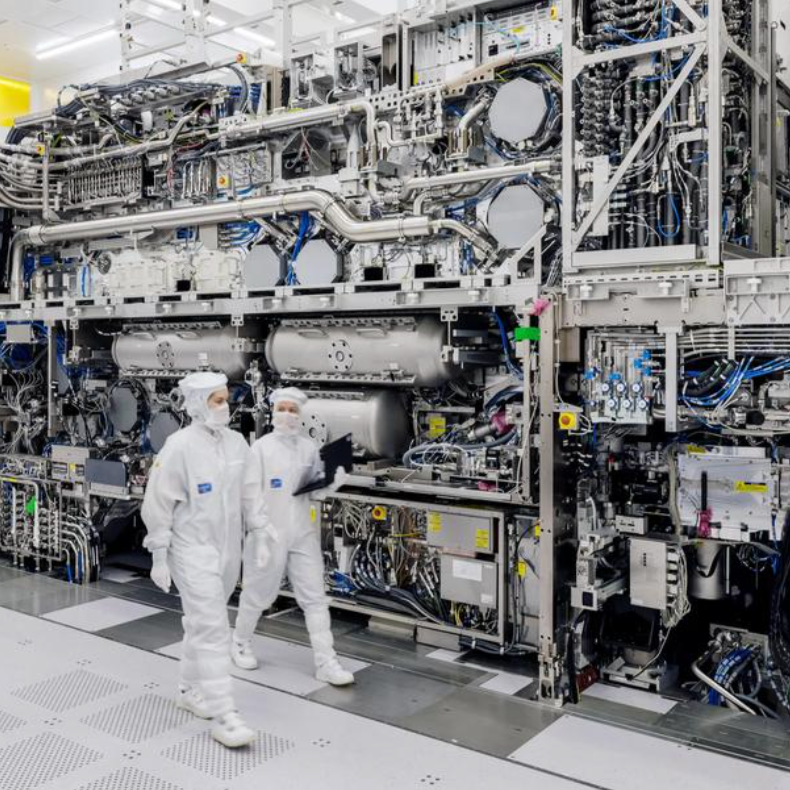
The chip industry is already expanding.
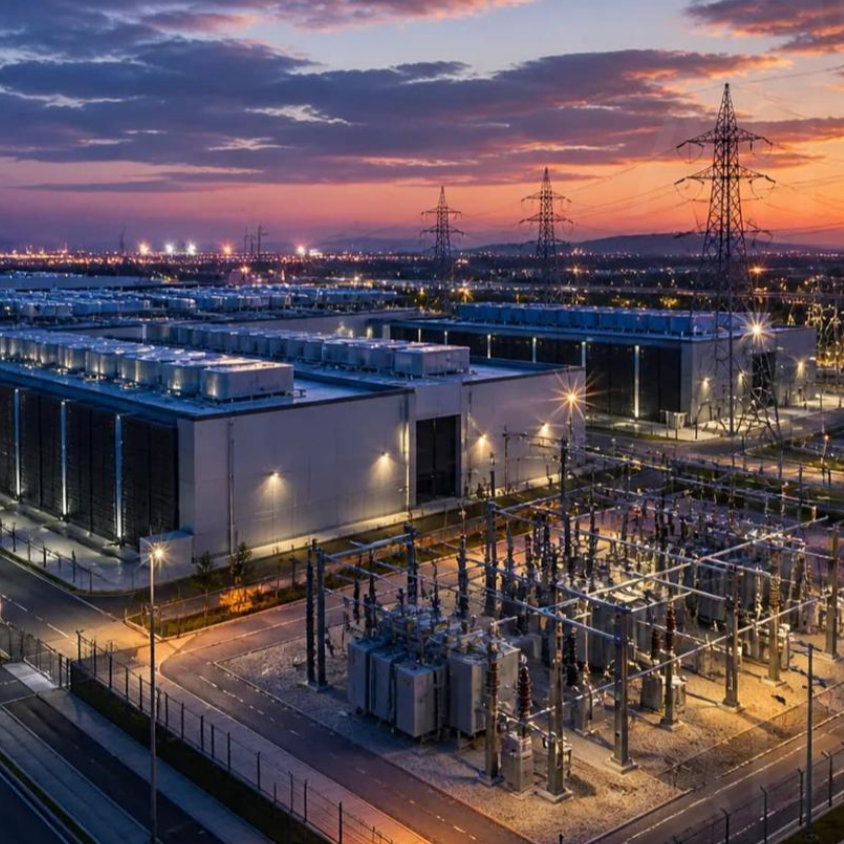
The data-center industry is expanding.
And now some of the world’s largest technology companies are beginning to investigate whether the infrastructure itself could eventually move beyond Earth.
Google’s first orbital experiment is therefore not about replacing terrestrial data centers.
It is about testing whether an entirely new computing architecture could eventually exist.
The AI infrastructure race is beginning to look less like a conventional technology story and more like an energy and engineering race — potentially extending all the way into space.





Laat een reactie achter