

Published: 28 October 2026 | Category: AI and robotics
Europe’s engineering expertise could help it compete in physical AI
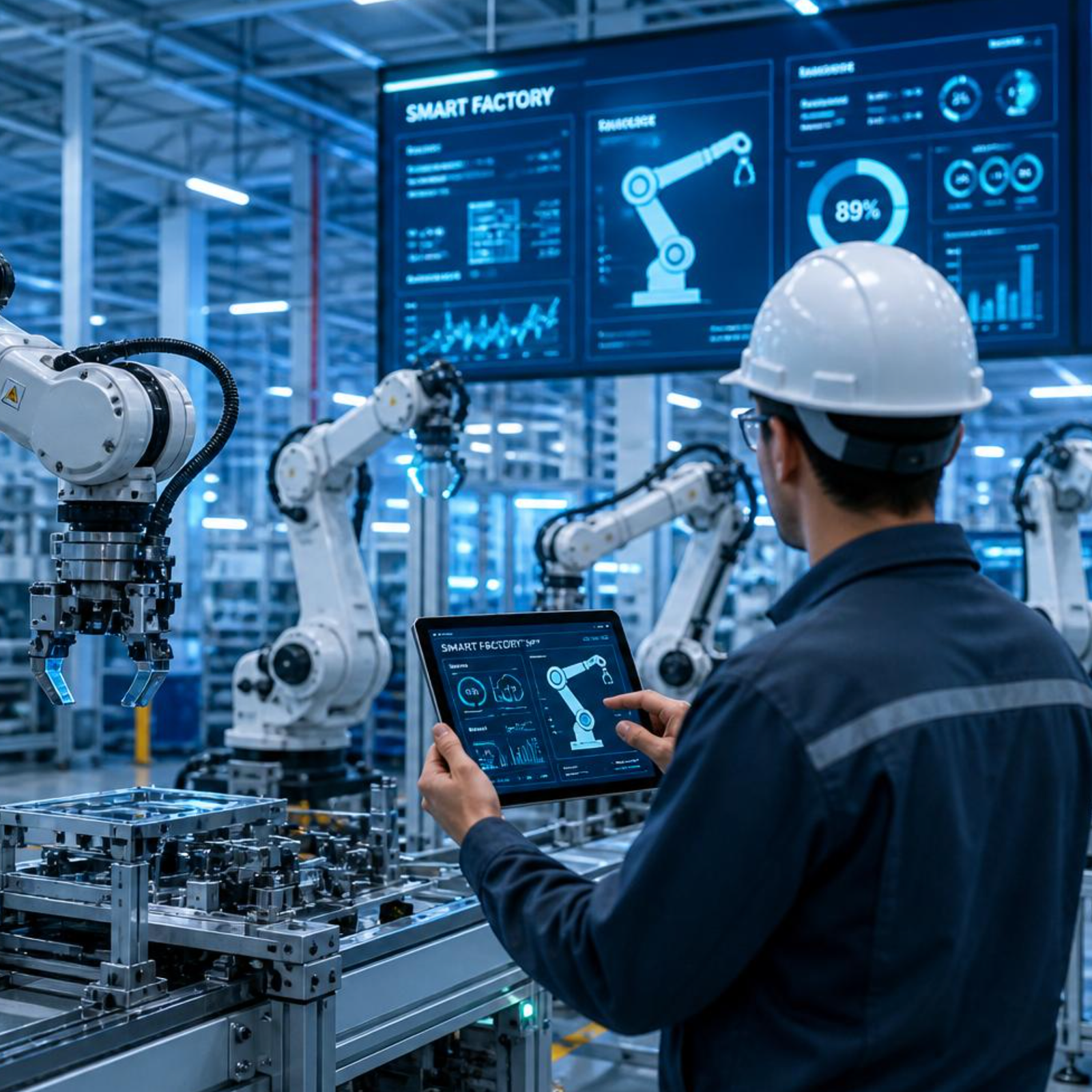
Nvidia chief executive Jensen Huang has highlighted Europe’s potential in physical AI and robotics, as the company announced expanded partnerships with European manufacturers and startups during its GTC conference in Berlin on 21 October 2026.
Reuters reported that Nvidia sees opportunities in Europe’s strengths in engineering, electronics and precision manufacturing. The company also highlighted robotics projects and infrastructure aimed at bringing AI into physical environments. live
The message is significant for Europe, which has strong industrial and engineering capabilities but has often struggled to produce AI companies at the scale of leading US technology firms.
What is physical AI?
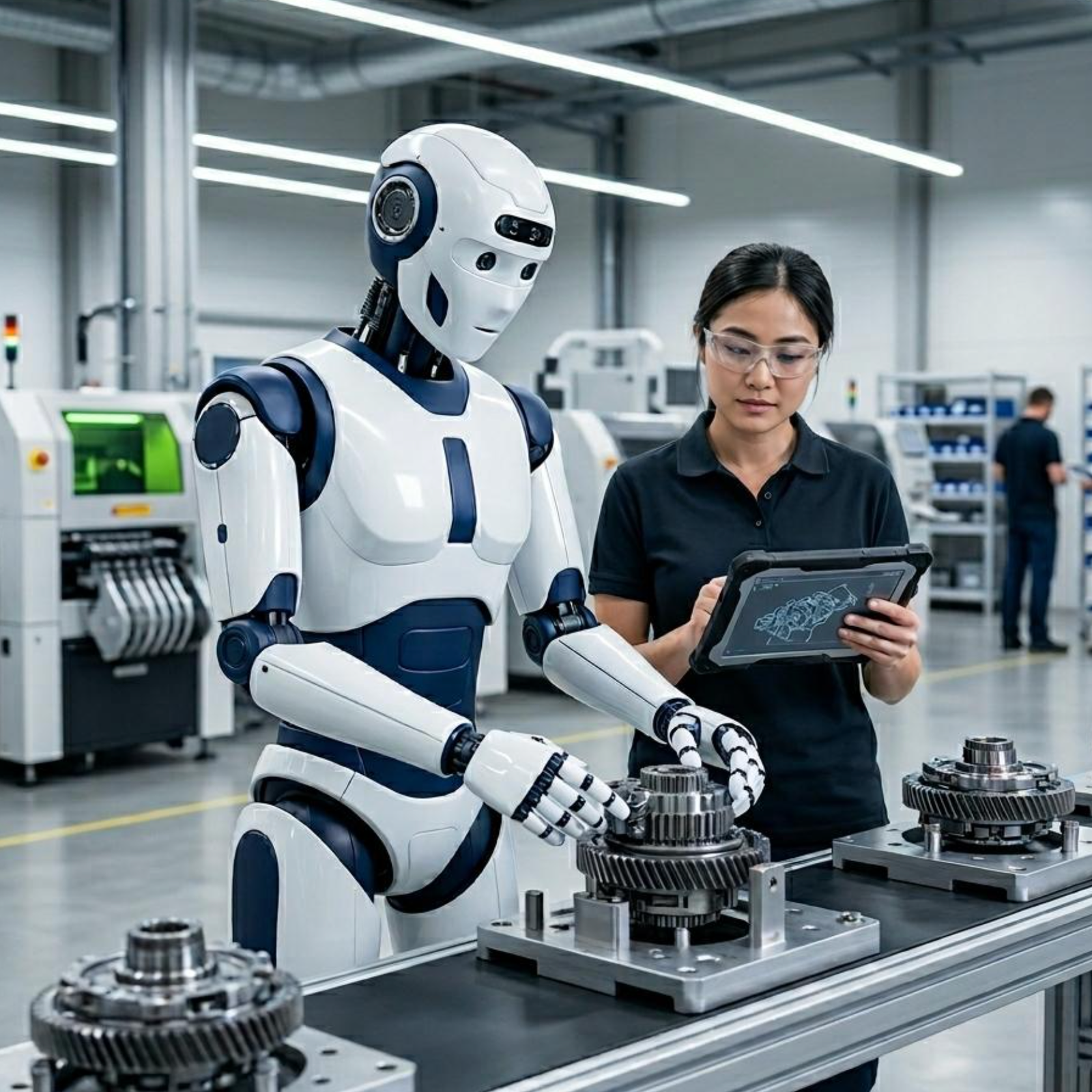
Physical AI refers to AI systems that interact with the real world through machines such as robots, industrial equipment and autonomous devices.
Unlike a chatbot that mainly processes digital information, a robot must interpret its surroundings and act within physical constraints. It may need to identify objects, estimate distances, plan a movement and respond when conditions change.
These tasks combine software with sensors, computing hardware, mechanical engineering and control systems.
Potential applications include warehouse automation, factory inspection, logistics, agricultural robotics and support for complex industrial operations.
Why Europe could have an advantage
Europe has a long history in manufacturing, industrial automation, automotive engineering and precision machinery.
These capabilities are relevant because physical AI cannot be developed through software alone. Robots must function reliably in real environments, interact safely with people and equipment, and withstand the demands of daily operations.
European manufacturers could help turn advances in AI into practical products by combining software expertise with established industrial knowledge.
However, strong engineering alone is not enough. Competing at scale also requires investment, access to computing infrastructure, specialist talent and effective routes from research to commercial deployment.
Nvidia’s role in the ecosystem
Nvidia supplies processors and software used in AI development and deployment. In robotics, these technologies can help developers train models, simulate environments and run AI workloads.
The company has a commercial interest in the expansion of physical AI because more capable robots can increase demand for computing platforms and associated software.
Reuters reported that Nvidia announced additional European partnerships during its October conference and presented robotics demonstrations. It also described plans involving humanoid robots developed with industrial partners. live
These announcements indicate growing interest in physical AI, but demonstrations and partnership announcements should not be confused with evidence that a technology is already widely deployed or commercially successful.
From demonstrations to dependable machines
Robotics is a challenging environment for AI because mistakes can have physical consequences.
A generated text answer can be corrected after the fact. A robot that moves incorrectly may damage equipment, disrupt production or put people at risk.
Developers must therefore test systems in a variety of conditions, establish safety limits and determine when human supervision is necessary.
A robot that performs well in a controlled demonstration may encounter different lighting, objects, obstacles or operating conditions in a real factory.
Reliability, maintenance and integration with existing systems will be critical to commercial adoption.
What does this mean for European businesses?
Manufacturers and logistics companies should watch developments in physical AI, but they should evaluate applications against specific operational needs rather than adopting robotics simply because the technology is new.
Useful questions include:
- Can the system perform a clearly defined task more safely or efficiently?
- How well does it work under normal operating conditions?
- What happens when the robot encounters an unexpected situation?
- How will the system integrate with existing machinery and software?
- What are the costs of deployment, maintenance and staff training?
The strongest applications are likely to be those that solve well-defined problems and demonstrate measurable benefits.
The strategic opportunity for the Netherlands
The Netherlands has expertise in advanced manufacturing, semiconductor equipment, logistics, agriculture and high-tech engineering. These areas could benefit from developments in robotics and physical AI.
Dutch companies and research institutions may find opportunities to contribute specialised components, software, sensors, automation systems and industrial applications.
However, turning that expertise into a larger role in the global AI economy will require collaboration between businesses, universities, investors and public institutions.
AINieuws analysis: Physical AI could give Europe a route to strengthen its position in the AI economy by building on existing industrial capabilities. The challenge is to move from promising demonstrations to reliable products that can be manufactured, deployed and maintained at scale.
Source: Reuters report — Nvidia and Europe’s AI opportunities.








Laat een reactie achter