

15 October 2026 · Europe and global markets · AI infrastructure investment
Investors are asking when the AI infrastructure will pay for itself
A recent global market sell-off and higher interest rates are putting pressure on the financing of AI data centres. Reuters reports that companies building AI infrastructure are facing delays in fundraising or higher capital costs as investors demand stronger evidence that projects can generate sufficient returns. Several high-profile infrastructure listings have been paused or cancelled.
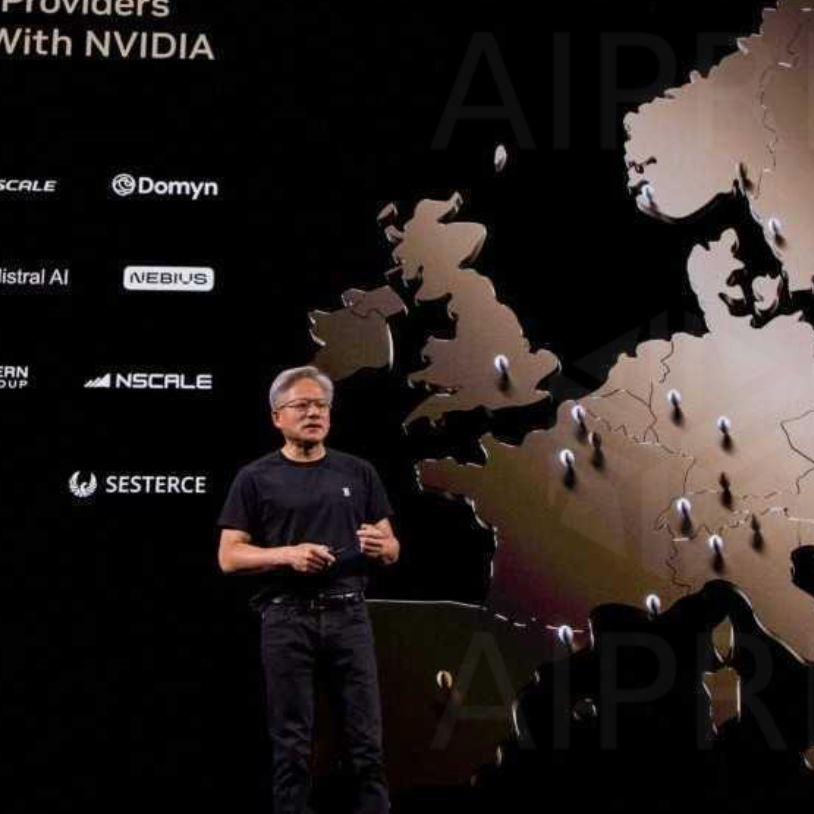
Although the report focuses on global markets and includes substantial Asian activity, the underlying issue is highly relevant to Europe. The continent is planning more computing capacity to support AI research, industrial deployment and European cloud services.
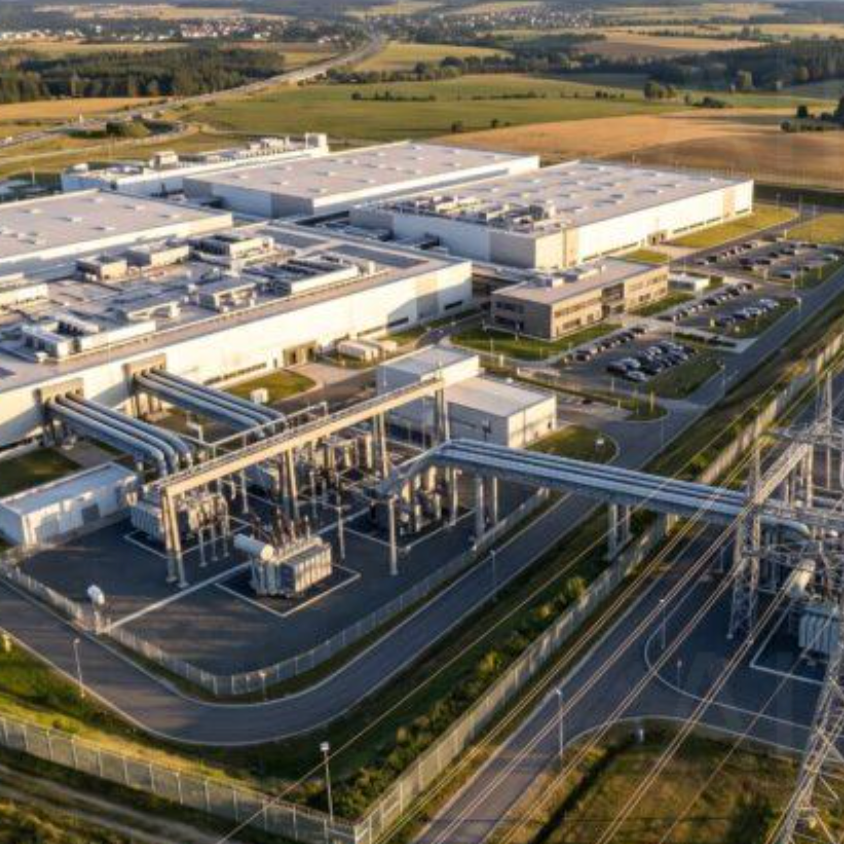
Building that capacity requires large amounts of capital. Data-centre developers must secure land, electricity connections, cooling systems, networking equipment and servers—often before the facility starts generating revenue.
Why the economics are changing
During a period of rapid technological growth, investors may be willing to finance ambitious projects on the assumption that future demand will be enormous. But rising interest rates increase borrowing costs, while higher prices for electricity, land and construction can make projects more expensive than expected.
There is also a difference between the demand for AI computing and the profitability of a particular data centre. Demand can grow rapidly while some operators still struggle because their costs are too high, their customers are not committed for long enough, or their facilities take longer than expected to complete.
Investors are consequently paying more attention to long-term customer contracts, the ability to secure power and the financial strength of the companies behind individual projects.
The European dilemma: sovereignty costs money
Europe wants greater control over its digital infrastructure. That ambition requires investment in data centres, computing systems and cloud platforms.
But European projects must compete with global providers that already operate at scale. If European infrastructure is significantly more expensive or less capable, customers may continue to rely on established international providers.
At the same time, building too much capacity too quickly could expose investors to losses, especially if demand growth slows or newer chips make computing more efficient.
The goal is therefore not simply to build as much infrastructure as possible. Europe needs capacity that is technically competitive, economically sustainable and connected to genuine demand from businesses and researchers.
What should European companies do?
Organisations considering AI infrastructure investments should test their business cases against several scenarios:
- What happens if electricity and financing costs rise?
- Are customers committed to using the capacity, or is demand only forecast?
- Can the facility obtain the necessary power connection on time?
- Will newer hardware change the economics before the investment is recovered?
- Does the project provide a genuine advantage over buying computing capacity from an established cloud provider?
My analysis: this is not evidence that the AI boom is ending. It is evidence that investors are becoming more selective. Europe’s long-term AI ambitions will depend on making infrastructure investments that deliver sustainable returns, not just on announcing large projects.
Source: Reuters — market sell-off and rising rates test the AI data-centre investment boom









Laat een reactie achter