


October 3, 2026
The artificial intelligence boom is entering a new phase.
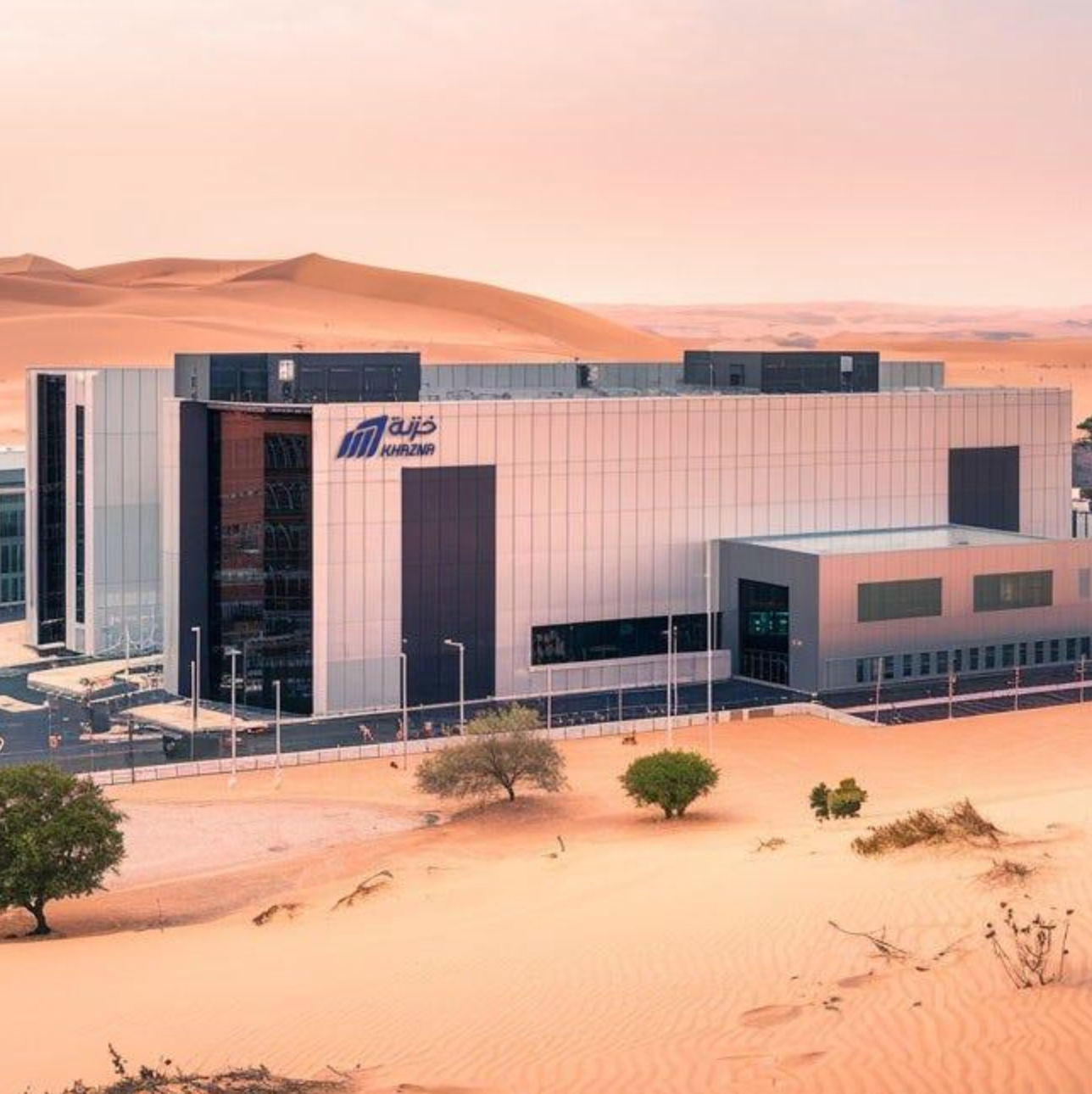
The technology industry is no longer simply spending billions on better models. Companies are building enormous data centers, securing long-term chip supplies and investing in electricity infrastructure needed to run increasingly powerful AI systems.
The scale is becoming difficult to ignore.
Global spending on data centers alone could exceed $30 trillion by 2050, according to a projection cited by PwC and reported by Reuters. That would put cumulative AI-related infrastructure spending on a scale comparable with the value of the entire U.S. Treasury market.
The question is no longer whether companies are willing to invest in AI.
The question is whether the economic returns will eventually justify the extraordinary amount of capital being committed.
AI is attracting unprecedented amounts of money
The current AI investment cycle is already larger than many previous technology booms.
Companies are spending on chips, cloud infrastructure, data centers and electricity capacity at the same time.
That creates a powerful feedback loop.
More AI applications require more computing power. More computing power requires more infrastructure. More infrastructure creates demand for chips, networking equipment, construction and energy.
The result is an investment cycle that extends far beyond the technology companies developing AI models.
Banks, utilities, construction companies and semiconductor manufacturers are all becoming part of the AI economy.
Data centers are becoming strategic infrastructure
A decade ago, data centers were largely considered an important but relatively invisible part of the internet economy.
That is changing.
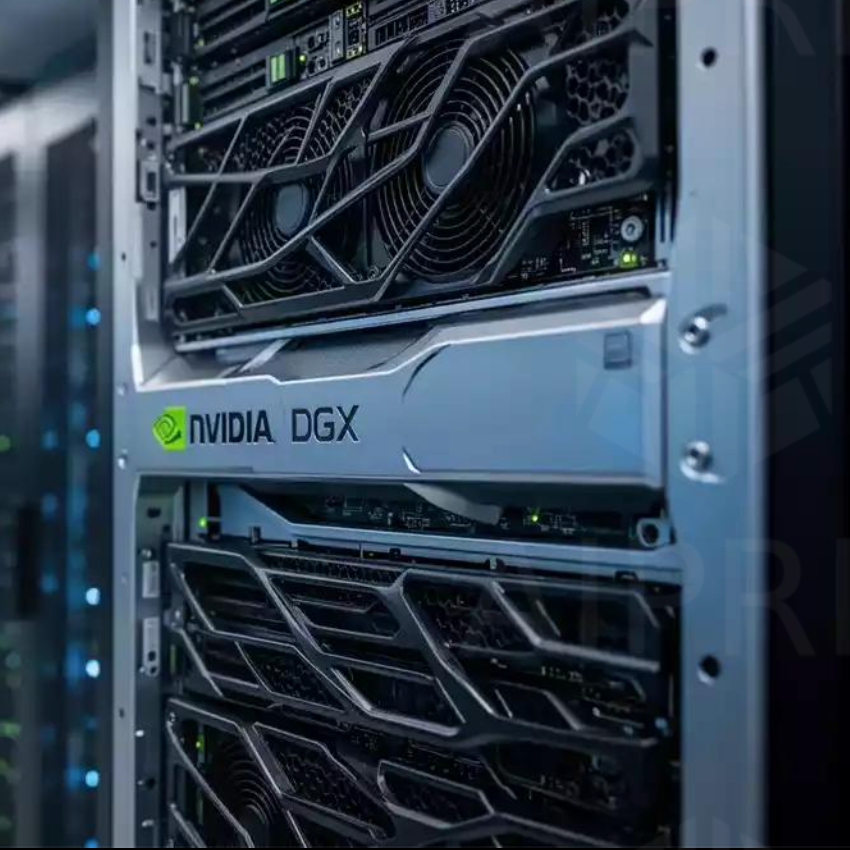
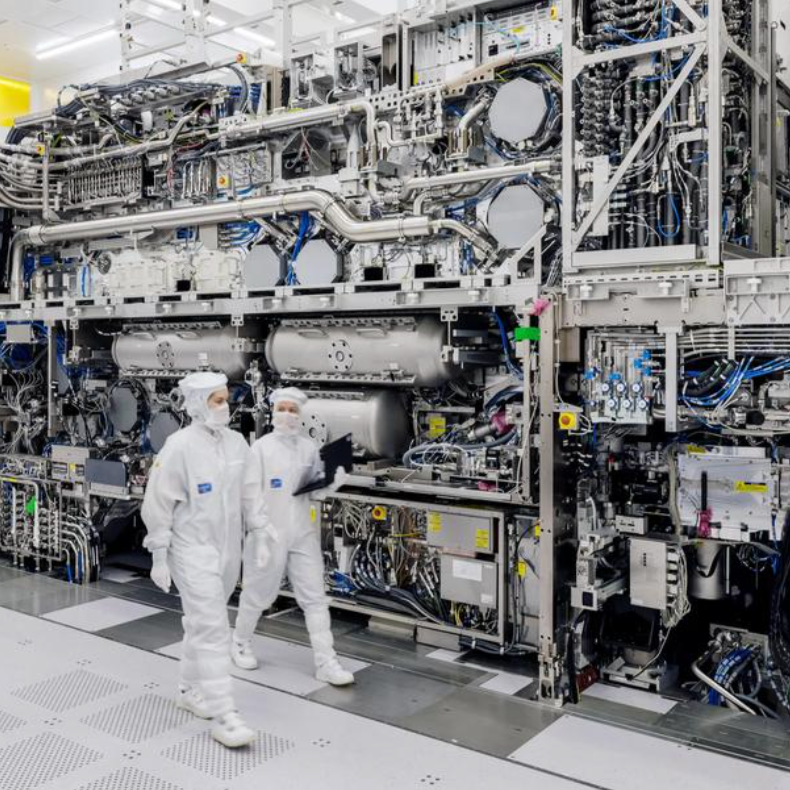
AI models require enormous amounts of computing power. Training and operating advanced systems therefore requires increasingly large clusters of specialized processors.
Those processors need electricity.
They also generate enormous amounts of heat, requiring sophisticated cooling systems.
As a result, AI data centers are increasingly being treated as strategic infrastructure.
Countries are competing to attract them.
Companies are competing to secure capacity.
And governments are increasingly considering the availability of computing power as part of their broader technology strategy.
Europe is trying to build its own capacity
Europe is also investing heavily in AI infrastructure.
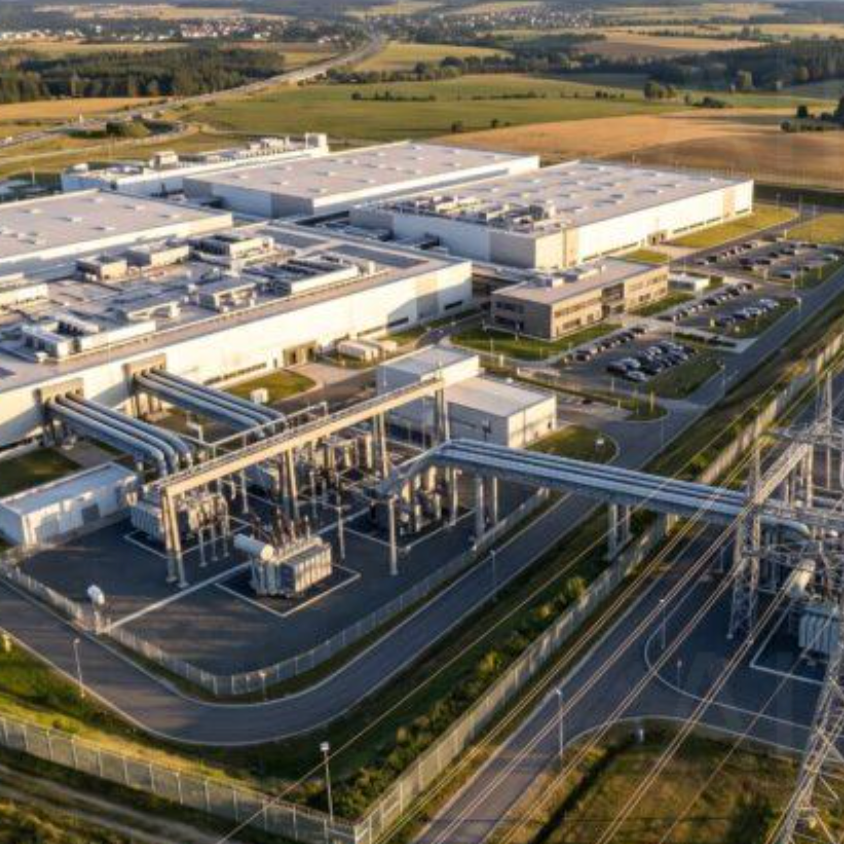
French supercomputer manufacturer Bull recently reopened an expanded factory in Angers. The facility is expected to double production capacity from six to twelve racks per month, with the possibility of reaching 24 racks by 2027. The expansion represents an investment of around €80 million.
The development is part of Europe’s broader effort to strengthen its domestic computing capabilities.
Bull has won 15 of 18 EuroHPC tenders, according to Reuters, while European projects include major systems in France, Finland and Germany.
Europe is also increasingly trying to source more of the technology itself.
Around 70% of the components used in Bull’s systems are now made in Europe, compared with an estimated 20% to 30% five years ago.
AI spending is already affecting manufacturing
The investment boom is no longer limited to technology companies.
Manufacturing data from September showed stronger factory activity across several regions, with AI-related demand contributing to the improvement.
Eurozone manufacturing PMI reached 52.9, its strongest level since May 2022. The Netherlands and Germany were among the countries benefiting from stronger demand for AI-related capital goods.
Asia is also experiencing the effect.
South Korea recorded its fastest export growth in more than 15 years, while Taiwan’s manufacturing activity strengthened sharply as demand for AI chips and semiconductor equipment increased.
That means AI is already influencing the real economy before many of the most ambitious AI applications have reached mass adoption.
The financial risk is growing as well
The enormous investment creates a corresponding financial question.
AI companies are making long-term infrastructure commitments based on expectations of future demand.
Anthropic, for example, has made enormous infrastructure commitments to support its future computing needs.
Broadcom has agreed to provide up to $42 billion in financing connected to Anthropic’s AI infrastructure requirements.
Such agreements can accelerate AI development.
However, they also mean that companies, suppliers and financial institutions are becoming increasingly interconnected.
If AI revenue grows rapidly, the infrastructure can generate enormous economic value.
If demand grows more slowly, some of the capacity could become financially difficult to justify.
AI is becoming an infrastructure economy
That is the most important change.
The AI industry once looked like a software business.
Now it increasingly resembles an infrastructure industry.
It needs factories.
It needs power stations.
It needs data centers.
It needs semiconductor plants.
It needs high-speed networks.
And it needs enormous amounts of capital.
That means the future of AI will depend not only on breakthroughs in models.
It will also depend on whether the global economy can continue supplying the physical resources required to operate them.
The next phase will be about returns
The technology industry has already demonstrated that it can spend enormous amounts of money on AI.
The harder question is what happens next.
Investors will increasingly want evidence that AI can generate enough revenue and productivity to justify the infrastructure being built.
Companies will have to show that AI can do more than attract users.
It will need to create measurable economic value.
That makes 2026 an important moment for the AI industry.
The race is no longer simply to build the most capable model.
It is increasingly a race to build the largest AI infrastructure ecosystem that the global economy can actually afford.







Laat een reactie achter