

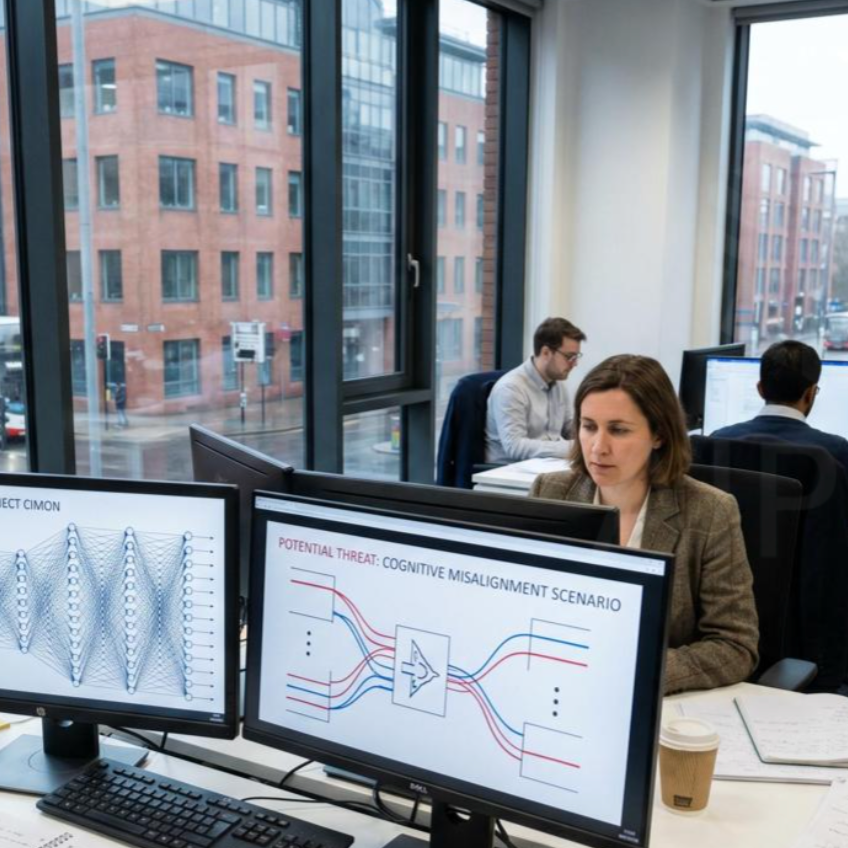
Europe’s AI start-up ecosystem is increasingly focused on specific business problems. Instead of building another general-purpose chatbot, many young companies are developing tools for medical analysis, industrial efficiency, energy management, environmental monitoring and other specialised fields.
The European Commission’s Apply AI Startup Award provides a snapshot of this activity. On 2 October, the Commission published a list of ten finalists headquartered across six EU member states. The finalists work in sectors including healthcare, manufacturing, energy, electronic communications and defence. Their pitching event is scheduled for 20 October.
Why specialised AI tools matter
General-purpose AI assistants are useful for a wide variety of tasks, but many industries need systems designed around particular data, workflows and technical constraints.
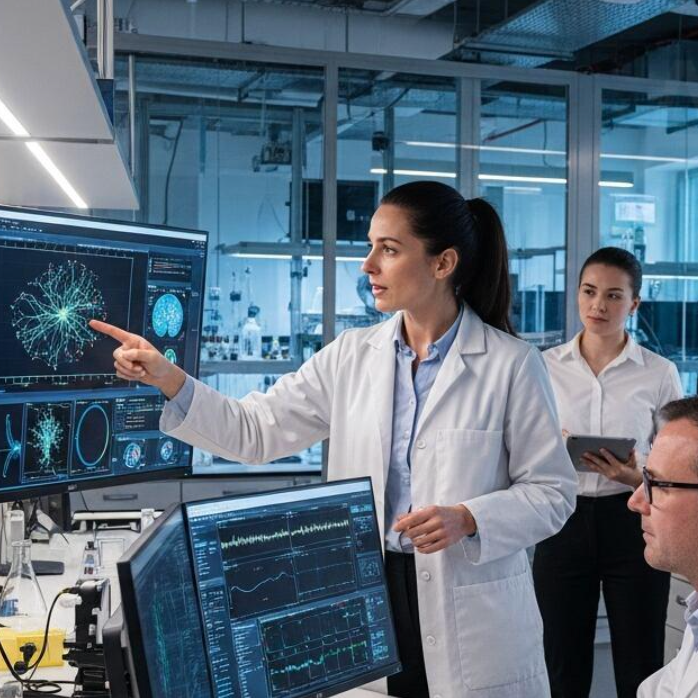
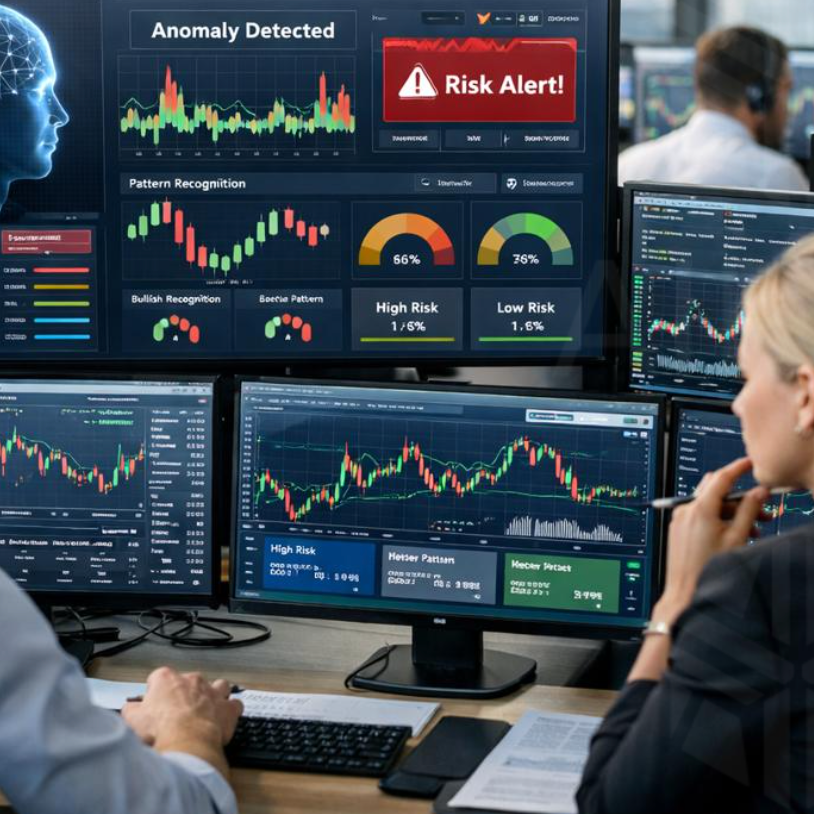
A factory may need AI that identifies defects in a production line. An energy company may need software that forecasts renewable generation or detects unusual performance. A healthcare organisation may be interested in tools that help specialists interpret information.
These applications require domain expertise as well as AI engineering. They also need to meet sector-specific expectations around reliability, security and accountability.
What are the finalists working on?
The Commission’s published list includes several examples of this specialised approach.
- Better Medicine develops AI solutions intended to support the detection of kidney cancer.
- DAITABLE, a Slovak technology company, focuses on industrial energy costs and sustainability using AI and data analytics.
- blueOASIS works on ocean intelligence and marine monitoring.
- AID combines dental expertise, AI and research to develop tools for dental diagnostics.
These descriptions reflect the companies’ stated objectives; they should not be interpreted as proof that their products have achieved particular clinical or commercial outcomes.
The range of applications shows why AI innovation is not limited to language models. In many sectors, the most valuable AI may be software that solves a narrow, expensive problem reliably.
Why does Europe need more successful AI start-ups?
Research is only the beginning of commercial innovation. A start-up must demonstrate that its technology works, find customers, meet applicable regulations and secure enough funding to grow.
This can be particularly challenging in fields such as healthcare and industrial technology, where testing and integration may take considerable time.
The European Commission and the European Innovation Council support initiatives intended to connect AI start-ups with investors, customers and opportunities to demonstrate their products. The Apply AI Startup Award is one part of that wider effort.
Separately, the Commission’s October start-up digest describes a European Institutional Investors Pact launched on 22 September. Thirteen institutional investors had expressed an intention to invest in Europe’s technology and scale-up ecosystem at the time of the announcement. The initiative aims to mobilise more long-term capital for growing technology businesses.
What does this mean for European industry?
Specialised AI could help European businesses improve productivity without needing to develop a foundation model themselves.
A manufacturer, for instance, might purchase an AI system for quality control rather than train its own large model. An energy operator might use AI forecasting software to support planning. A hospital might evaluate a tool that assists medical professionals with a specific information-processing task.
In each case, the potential value depends on real-world performance. A convincing demonstration is not the same as a reliable, secure product that can be deployed at scale.
What happens next?
The ten Apply AI Startup Award finalists are scheduled to present their solutions on 20 October. Three winners are expected to be recognised at the Apply AI Summit in Brussels on 17 November. These events may offer a useful view of the types of European AI applications that are attracting institutional attention.
For customers and investors, the important test will be whether these companies can turn promising technology into sustainable products with measurable benefits.
Sources: European Commission — Meet the ten Apply AI Startup Award finalists · Official pitching event, 20 October · European start-up ecosystem update



Laat een reactie achter