

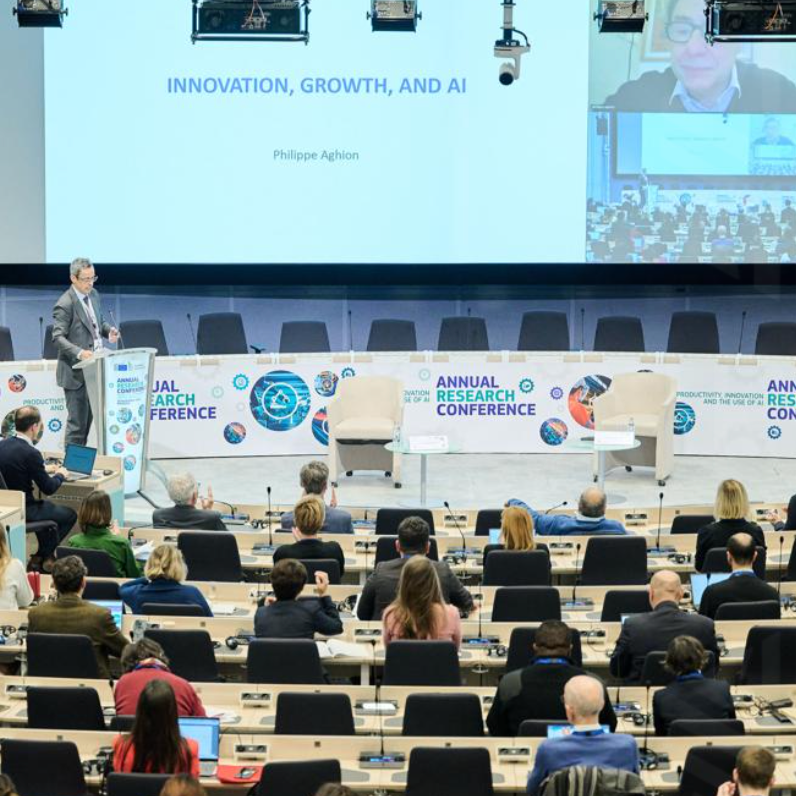
13 October 2026 · Source: European Commission
Tomorrow, 14 October, the European AI Innovation Month begins in Ireland. Organised by the European Commission in cooperation with Ireland’s Presidency of the Council of the European Union, the initiative will run until 17 November, when the Apply AI Summit takes place in Brussels and online.
The programme is intended to bring policymakers, researchers, technology companies, public institutions and investors together to examine how AI can be developed and deployed across Europe. The Commission announced the initiative earlier this year and updated its official information on 13 October.
Why is Europe organising an entire month around AI?
Europe has a substantial research base, established industrial companies and a growing community of technology start-ups. However, turning promising research into widely adopted commercial products remains a challenge.
An AI system can work well in a university laboratory but still struggle to become a successful product. Companies need reliable infrastructure, access to customers, investment, skilled employees and a clear understanding of regulatory obligations.
The Innovation Month is intended to connect these parts of the ecosystem. Rather than focusing exclusively on the newest AI models, the programme will also examine how businesses and public institutions can put AI to work.
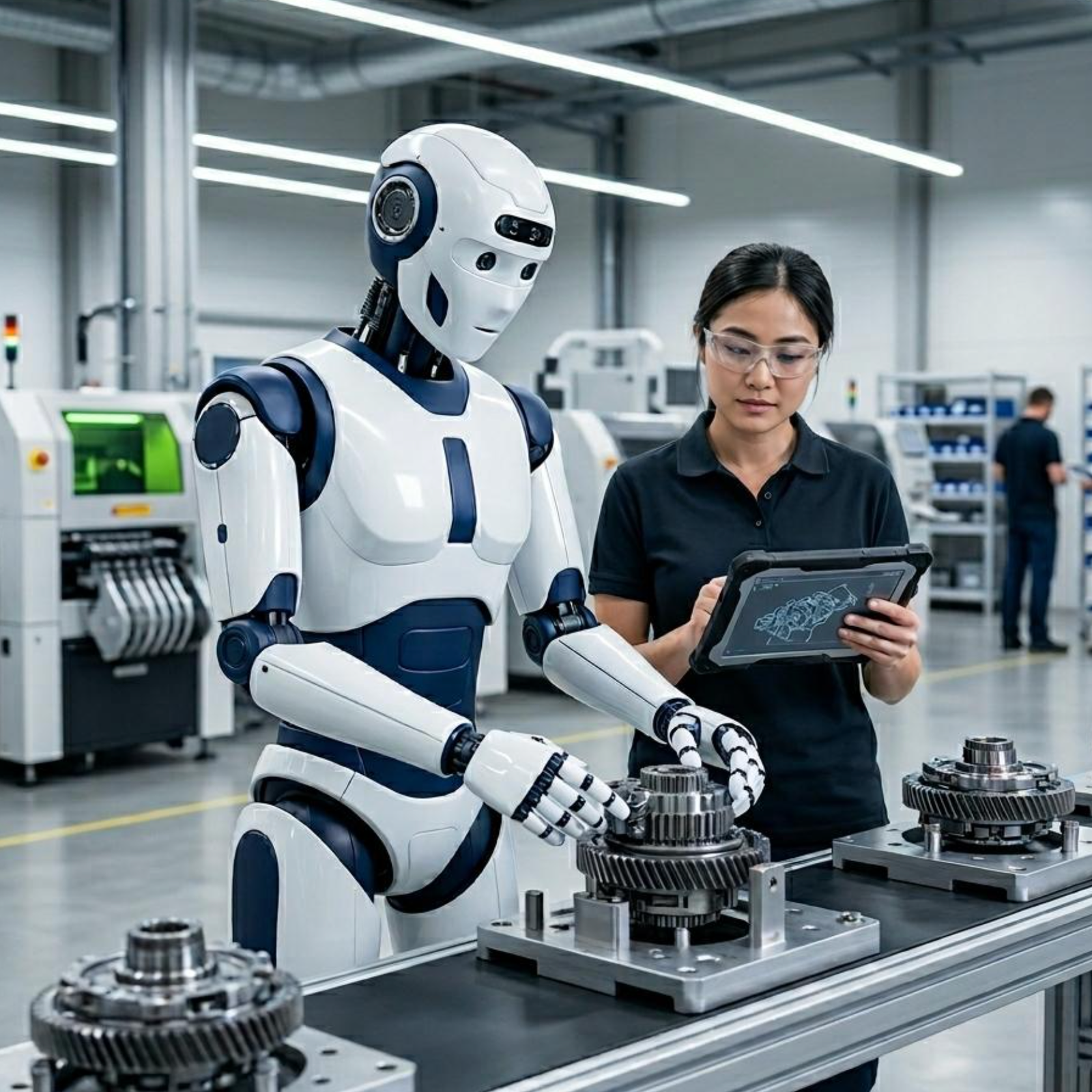
The emphasis is particularly relevant to Europe’s industrial economy. AI can potentially help factories detect equipment failures, support hospitals with administrative work, improve energy forecasting and help public authorities process large volumes of information.
These are practical applications in which Europe already has established organisations and specialist knowledge.
What happens during the programme?
The initiative includes three flagship events. The first is the International AI Summit in Dublin on 14 October. The programme will conclude with the Apply AI Summit in Brussels on 17 November.
The events will focus on European AI innovation and adoption, including sector-specific applications and examples of projects developed in Europe. A virtual conference platform will connect participants and provide an online exhibition of projects.
The timing is significant because European policymakers are trying to make the continent more competitive in advanced technology while implementing rules intended to address AI-related risks.
There is a practical tension here. Companies want predictable rules and access to funding, while public authorities want to ensure that AI systems are developed and used responsibly. A conference can bring those groups together, but it cannot by itself solve the underlying problems of investment, infrastructure or commercial adoption.
What could this mean for European businesses?
For a small company in the Netherlands, Germany or Spain, the most relevant developments may not involve training a frontier model from scratch. They may involve discovering a specialised AI supplier, testing an industrial application or learning how to introduce AI into an existing workflow.
A logistics company, for example, might use AI to improve demand forecasts. A manufacturer might test computer vision for quality control. A public institution might investigate whether AI can help staff search complex documents, subject to appropriate safeguards.
The value depends on measurable outcomes: reduced costs, better service, fewer errors or improved productivity.
What should we watch next?
The next milestone is the start of the programme in Dublin on 14 October. The final Apply AI Summit on 17 November should provide another opportunity to assess which European initiatives are moving towards practical deployment.
The key question will be whether the programme generates lasting partnerships, new products and broader adoption—not simply more discussion about AI.
Sources: European Commission — European AI Innovation Month · Official announcement and programme









Laat een reactie achter