


Europe’s ambition to become a global leader in artificial intelligence is facing a major challenge: some of the continent’s own startups are considering moving elsewhere to find better conditions for growth.
A Reuters report published on October 21, 2026, highlighted concerns raised by Amazon Web Services’ European leadership about the pressures facing European startups. These include access to funding, regulatory complexity and shortages of employees with the skills needed to develop and deploy AI.
According to the report, an AWS survey found that nearly 40% of European startups, and more than half of high-growth startups, were considering relocating to markets they viewed as more attractive.
The findings point to a difficult question for European policymakers: can the region build a competitive AI industry if promising companies find it easier to scale somewhere else?
Funding remains a major obstacle
Developing advanced AI products can require substantial investment. Startups may need computing capacity, specialist employees, high-quality data, cybersecurity systems and extensive testing before their products can compete internationally.
Access to capital is therefore particularly important for companies building AI models, enterprise software and autonomous agents. A startup that cannot secure sufficient funding may struggle to expand its team, reach customers or compete with better-funded rivals.
The United States has a large venture-capital ecosystem and is home to many of the world’s biggest technology companies. For European founders, relocating can potentially provide access to investors, customers and experienced employees.
However, moving a business is not a simple solution. Founders may lose access to existing networks, face new legal obligations and have to manage operations across multiple jurisdictions.
Regulation and administrative complexity
Europe’s regulatory environment is another central issue in the debate.
The European Union has introduced a broad legal framework for AI through the AI Act, alongside existing rules governing data protection, digital services and consumer rights. These requirements are intended to address risks and establish common standards across the European market.
For startups, however, understanding which requirements apply can be difficult, particularly when a product combines several technologies or serves customers in different industries.
The Reuters report cited concerns that European businesses can devote a substantial share of their budgets to regulatory compliance rather than technology investment.
Compliance is not necessarily wasted spending. Appropriate safeguards can help companies earn customer trust and reduce legal risks. The challenge is ensuring that requirements are proportionate, understandable and practical for smaller businesses.
Clear guidance, accessible testing facilities and consistent implementation could help startups comply without diverting excessive resources away from research and development.
AI adoption is growing, but strategy remains uneven
Europe is not standing still. Companies across the region are increasingly experimenting with AI to automate routine work, analyse information and develop new products.
But adopting a chatbot or purchasing an AI subscription is different from transforming how a business operates.
Companies that achieve lasting benefits often need to redesign workflows, improve data quality, train employees and establish clear rules for using AI. Without these foundations, individual tools may produce limited gains.
Smaller companies can face particular difficulties because they may lack dedicated AI teams or the resources to evaluate competing technologies.
This creates an opportunity for European governments, universities and industry associations to provide practical support, including training, shared computing resources and independent technical advice.
Europe is investing in its own AI infrastructure
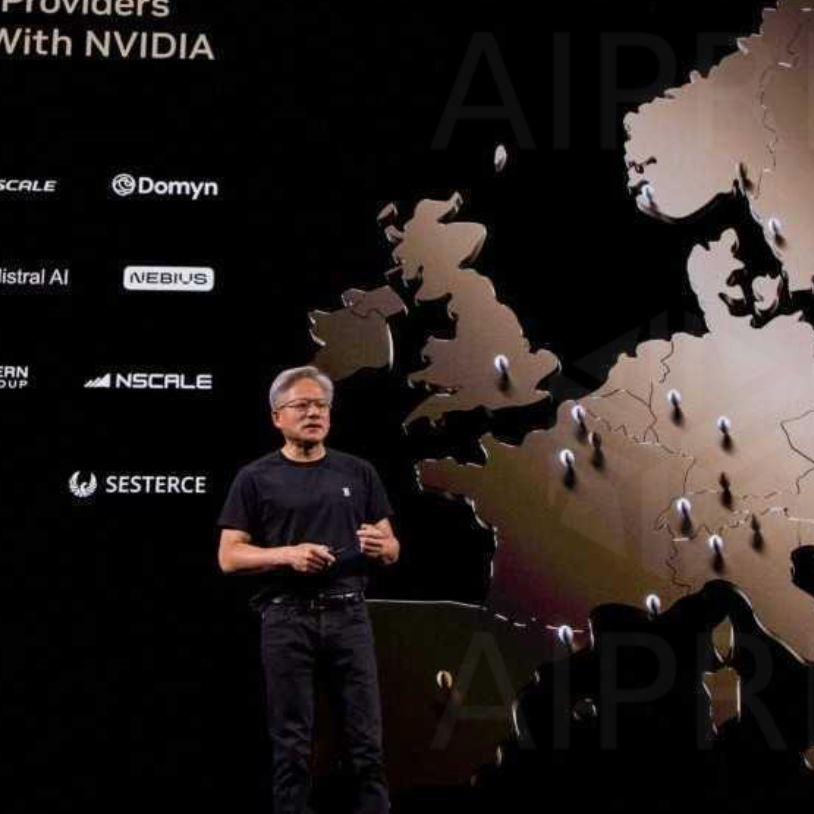
The European Union is pursuing a strategy designed to strengthen its domestic technology ecosystem. Its AI Continent initiative includes investment in computing facilities, research and measures intended to encourage AI adoption.
In July 2026, the European Commission announced a call to establish up to seven AI Gigafactories. The initiative is backed by up to €10 billion in EU and national funding and is expected to attract at least €20 billion in private investment.
The facilities are intended to provide computing resources for startups, researchers, established businesses and public institutions developing advanced AI systems.
Infrastructure can help reduce barriers to innovation, but it will not solve every problem. Startups also need customers, capital, skilled workers and a predictable business environment.
Can Europe keep its AI talent?
Europe has strong universities, research institutions and established industrial companies. Its challenge is to turn those advantages into businesses that can grow globally.
That requires more than public funding. Investors need opportunities to finance ambitious companies, public institutions need to make procurement accessible to innovative suppliers, and businesses need practical ways to experiment with new technologies.
Policymakers must also strike a balance between safety and speed. Weak safeguards could damage public trust, while unnecessarily complicated requirements could discourage investment and slow beneficial innovation.
The strongest response would combine clear rules with accessible compliance support, competitive financing and reliable computing infrastructure.
Conclusion: Europe’s AI ambitions will depend not only on how much it invests, but also on whether startups can develop, hire and scale within the region. If promising companies repeatedly find better opportunities elsewhere, Europe risks financing innovation without capturing its full economic benefits.
The coming years will test whether the continent can translate its research strength and regulatory influence into a globally competitive AI industry.













Laat een reactie achter