

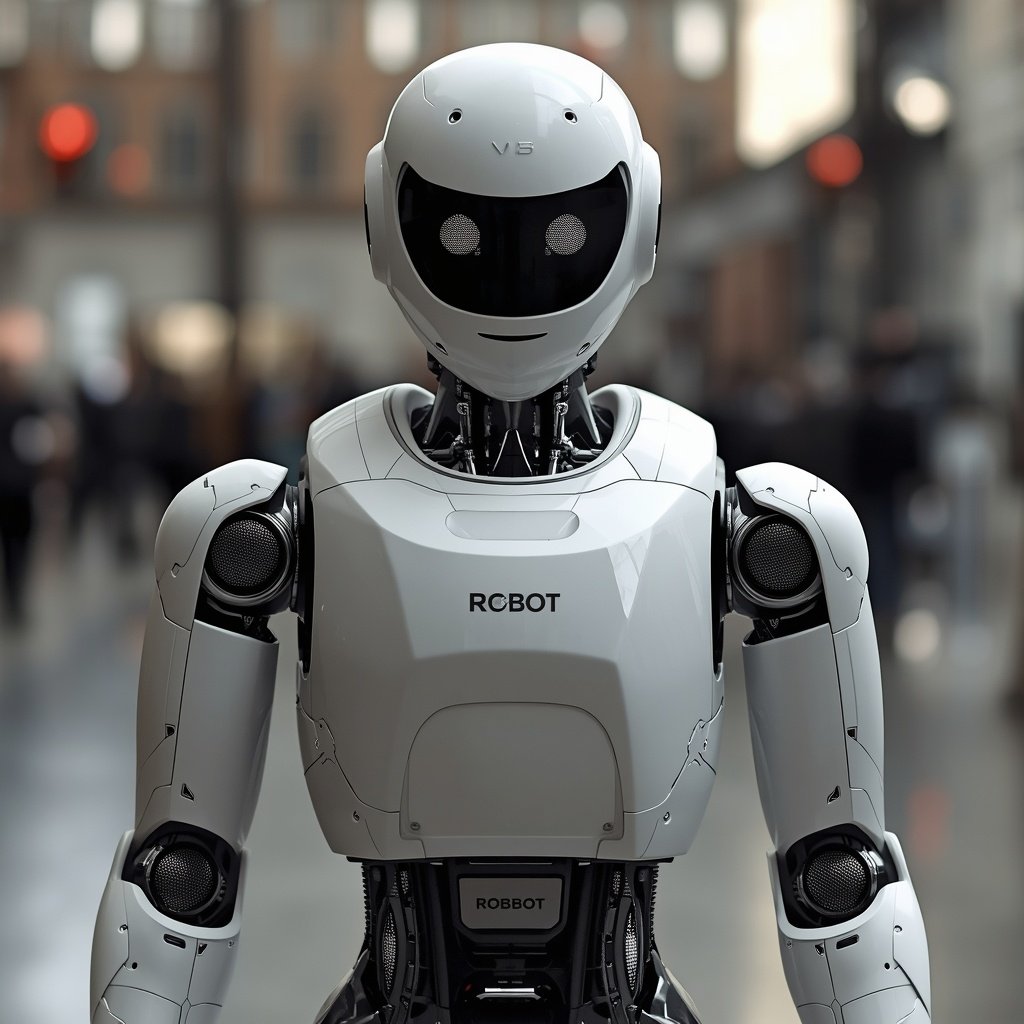
Europe’s artificial intelligence ambitions are expanding beyond chatbots and software. Germany is preparing for a new phase of industrial automation, with robotics company Agile Robots planning to manufacture between 1,000 and 2,000 humanoid robots next year using technology from Nvidia.
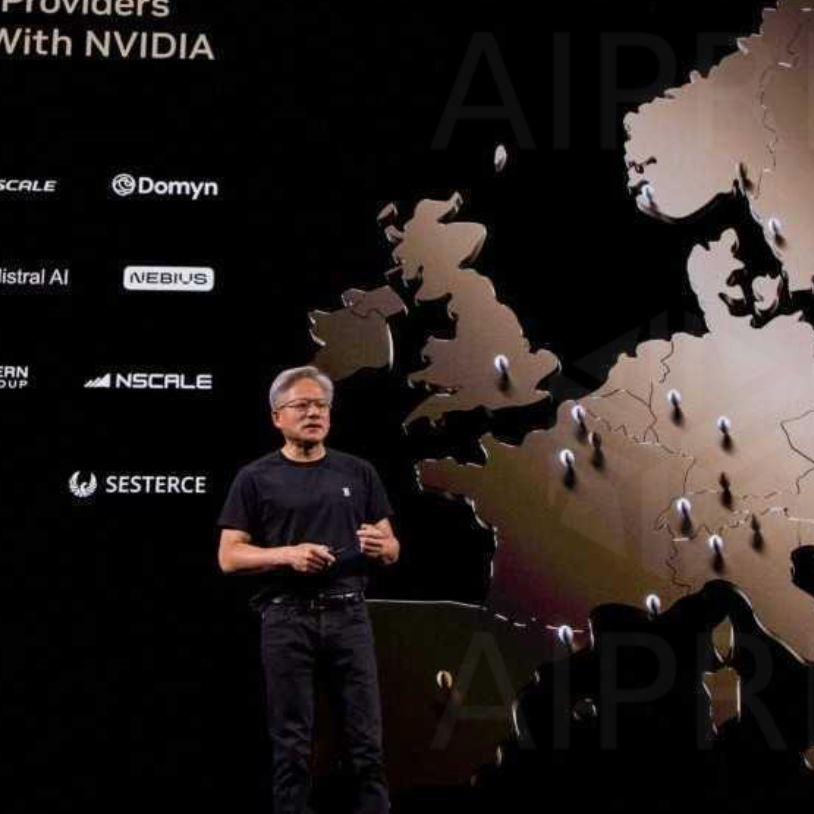
The plan was highlighted at Nvidia’s GTC conference in Berlin on October 21, 2026, where CEO Jensen Huang argued that Europe’s long-established expertise in engineering, electronics and precision manufacturing gives the region an advantage in physical AI.
The announcement illustrates how European companies are seeking to connect advances in AI software with the machinery, factories and industrial systems that underpin the continent’s economy.
What is physical AI?
Physical AI refers to artificial intelligence systems that interact with the real world through robots, vehicles and other machines.
Traditional industrial robots usually operate within carefully programmed environments and repeat specific movements. AI-enabled robots are being developed to perceive their surroundings, interpret instructions and adapt their actions to changing conditions.
A humanoid robot, for example, could potentially move through environments designed for people, manipulate objects and carry out several related tasks without needing a completely different machine for each activity.
However, these capabilities remain highly dependent on the robot’s design, training, sensors and operating environment. A demonstration of a robot completing a task does not necessarily prove that it can perform the same task safely and reliably throughout a working shift.
Why Germany could be well positioned
Germany has a long industrial tradition in automotive manufacturing, machinery, electronics and factory automation.
These industries provide an established base of potential customers and engineering expertise for companies developing more adaptable robotic systems.
Factories also offer practical environments in which new technology can be tested. Repetitive handling, inspection and material movement are examples of tasks that may be suitable for automation when the technical and economic conditions are right.
Nvidia is positioning its computing platforms and software as tools for developing, training and operating these systems. Its partnerships with European manufacturers reflect an effort to bring AI capabilities into existing industrial workflows.
For European businesses, the opportunity is to use AI to improve production, reduce certain forms of repetitive labour and make manufacturing processes more flexible.
What the production plan means
Reuters reported that Agile Robots plans to produce 1,000 to 2,000 humanoid robots next year using Nvidia technology.
The target is an indication of the company’s ambitions, rather than confirmation that all those robots will be manufactured, delivered or deployed successfully.
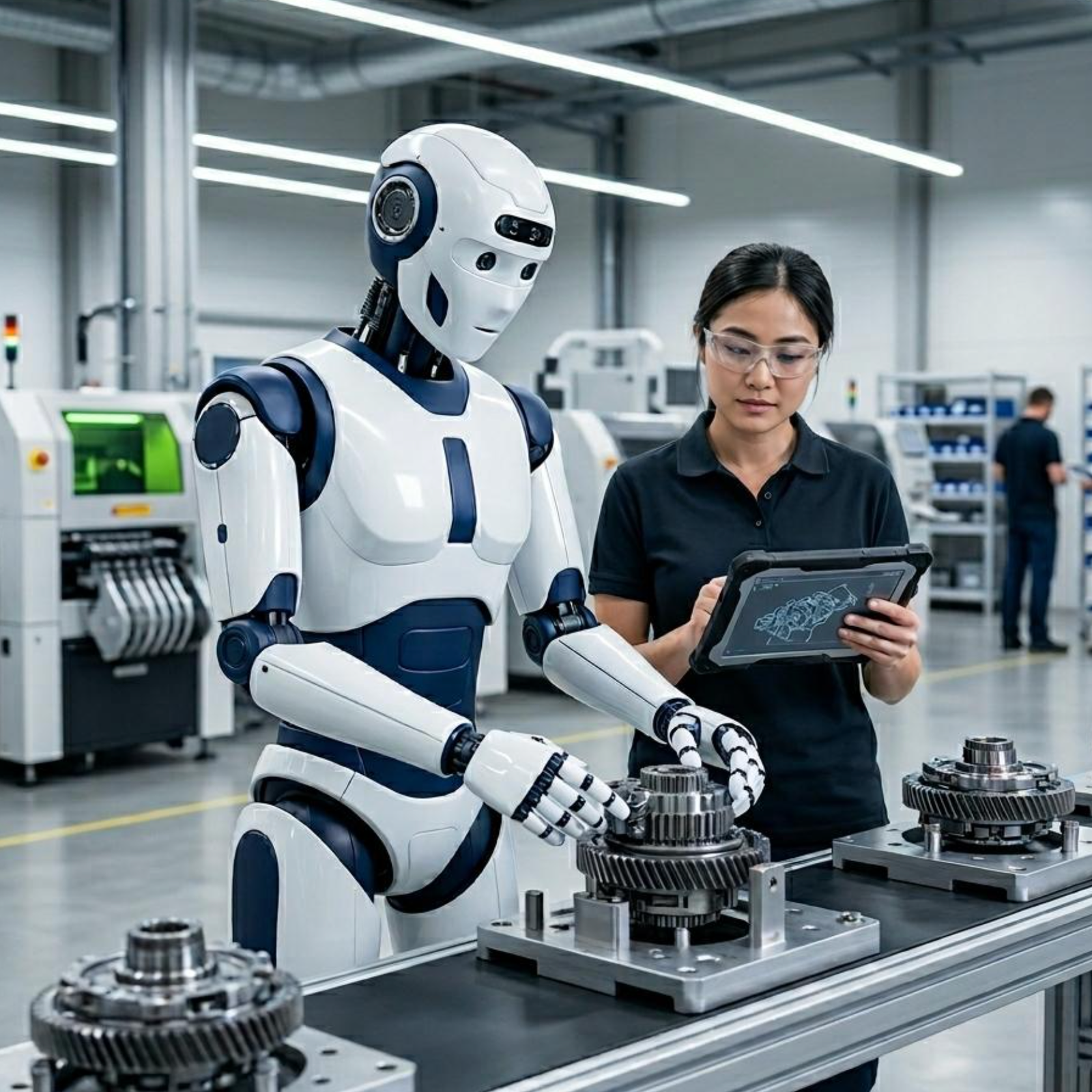
Scaling production requires more than a working prototype. Companies must establish reliable component supplies, manufacturing processes, software updates, maintenance arrangements and safety procedures.
Customers will also need evidence that the robots can perform useful work at an acceptable cost.
The commercial case will depend on factors such as productivity, downtime, energy consumption, training requirements and the cost of adapting facilities to accommodate the machines.
Can humanoid robots transform European factories?
Humanoid robots attract attention because they are designed around a form that can potentially operate in human-oriented environments.
In principle, this could reduce the need to redesign every workplace for a specialised machine. A robot might be able to move between workstations or handle different objects as its capabilities improve.
But humanoid robots are not automatically the best solution for every industrial task. Conventional robotic arms, autonomous mobile robots and specialised machines can be faster, cheaper and more reliable for jobs with well-defined requirements.
Manufacturers will therefore need to compare technologies on performance and cost rather than appearance alone.
In many factories, the most effective approach may combine several types of automation, with humanoid robots used only where their flexibility offers a genuine advantage.
Safety and the workforce
The introduction of more adaptable robots also raises questions about workplace safety and the future of industrial employment.
Machines operating near people must be designed to prevent collisions, respond appropriately to unexpected situations and stop safely when something goes wrong.
Employers will need training programmes and clear procedures for maintaining and supervising robotic systems.
The impact on jobs will depend on how companies deploy the technology. Some roles could change as repetitive tasks are automated, while demand may increase for workers who can maintain robots, integrate software and manage automated production lines.
The transition will require investment in skills as well as hardware.
Europe’s wider AI opportunity
The robotics announcement forms part of a broader effort to strengthen Europe’s position in AI.
Nvidia has highlighted its European partnerships and investment, while industrial companies are exploring how AI can improve manufacturing, logistics and vehicle technology.
Europe’s advantage may lie in combining AI capabilities with its existing industrial base. Instead of competing exclusively to build general-purpose AI models, European businesses can focus on applying AI to complex physical systems in which engineering expertise and reliability are essential.
That strategy will still require access to computing resources, investment and skilled workers. It will also depend on whether European companies can bring products to market quickly enough to compete internationally.
Conclusion: Germany’s humanoid-robot production ambitions offer a glimpse of how AI could move deeper into Europe’s industrial economy. If the technology proves reliable and economically viable, it could create new opportunities for automation and manufacturing.
But the decisive test will be performance in real factories—not the number of robots announced, but how safely, consistently and cost-effectively they can perform valuable work.







Laat een reactie achter