

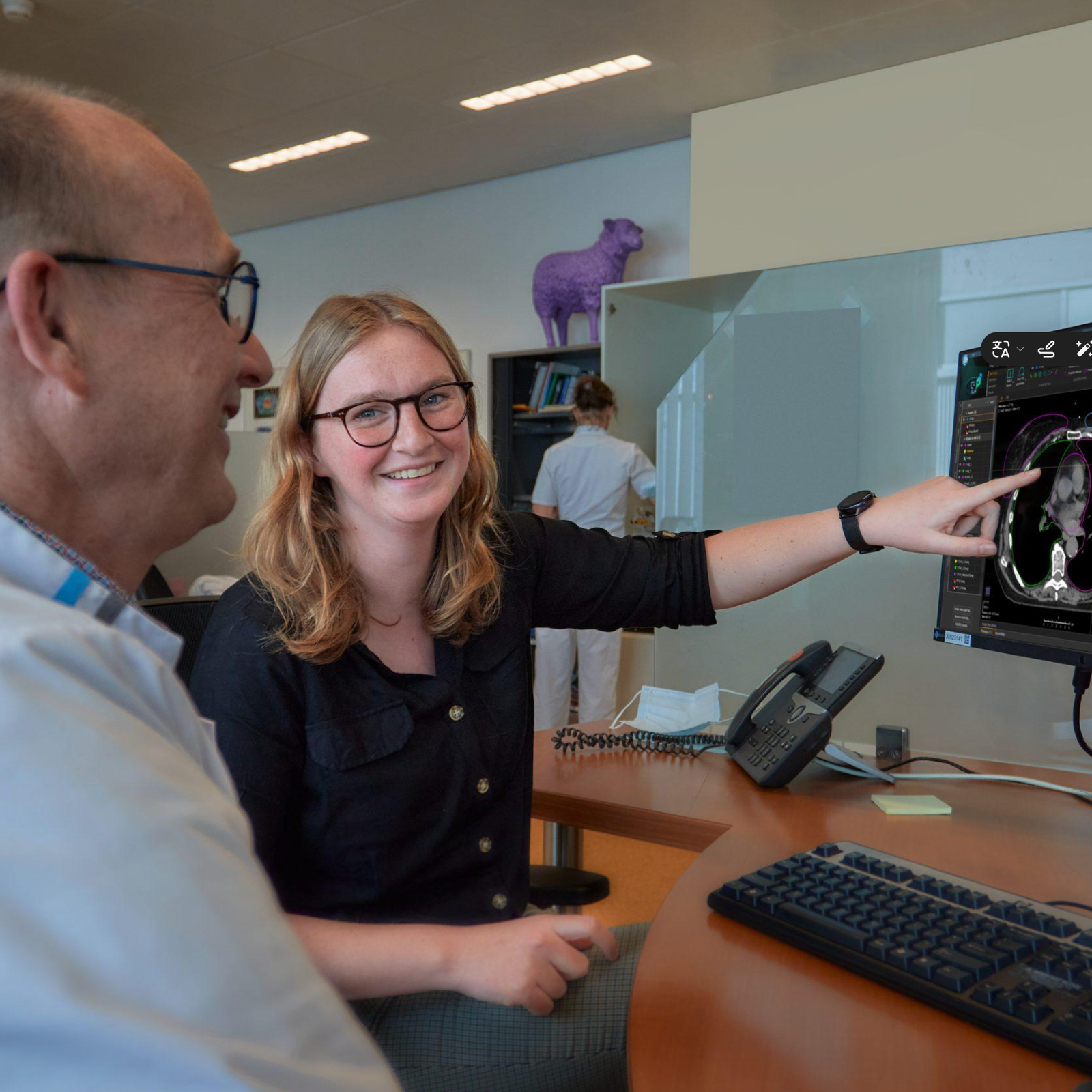
Poland is taking a further step toward responsible artificial intelligence in medicine by joining an international network focused on the safe and effective use of AI in healthcare.
The announcement, reported by Reuters on October 22, 2026, places Poland among countries seeking closer international cooperation on the governance of medical AI. The network is led by HealthAI, an organisation working to support responsible AI adoption in health systems.
Poland’s decision reflects a broader challenge facing European healthcare: how can hospitals and health authorities benefit from increasingly capable AI systems while protecting patients, maintaining clinical accountability and ensuring that medical technology is properly evaluated?
Why healthcare AI needs stronger oversight
Artificial intelligence is already being explored across multiple areas of medicine. Applications include analysing medical images, helping clinicians summarise patient information, identifying patterns in clinical data and supporting administrative work.
In principle, these tools could help healthcare professionals spend less time on repetitive tasks and more time with patients. AI may also help clinicians process large volumes of information that would otherwise be difficult to assess quickly.
However, healthcare is a particularly sensitive environment for automated decision-making. An inaccurate recommendation can have consequences that extend far beyond inconvenience, potentially affecting diagnosis, treatment or patient safety.
AI systems can also perform differently across hospitals and patient populations. A model developed using one dataset may not work equally well in another setting, especially when patient characteristics, equipment or clinical practices differ.
These risks make evaluation, monitoring and human oversight essential parts of responsible deployment.
What international cooperation can achieve
According to Reuters, the HealthAI network aims to strengthen cooperation between countries on the governance of AI in healthcare.
International coordination can help health authorities exchange experiences, develop common approaches and learn from problems encountered during implementation.
For example, regulators and healthcare organisations may need to consider how medical AI should be evaluated before deployment, how performance should be monitored over time and what procedures should be followed when a system produces unreliable results.
Cooperation may also help countries with fewer technical resources access expertise and practical guidance.
A shared approach does not mean every country must use identical systems or organise its healthcare services in the same way. National health systems have different needs, laws and infrastructure. The objective is to improve the quality and consistency of oversight while allowing local adaptation.
What this means for European hospitals
For hospitals, the growing use of AI presents both an operational opportunity and a governance responsibility.
Before adopting a new system, healthcare providers need to understand what it is designed to do, which patients it has been tested on and how its results should be interpreted. They must also establish who is responsible for reviewing recommendations and responding when the technology fails.
Staff training is equally important. Clinicians need to know the limitations of a tool and understand that a confident-looking AI answer is not necessarily a correct one.
Hospitals must also consider patient privacy, data security and the handling of sensitive medical information. Procurement decisions should take into account not only performance but also cybersecurity, interoperability and the ability to audit the system.
The relevant European regulatory framework, including rules applicable to medical devices and the EU AI Act where relevant, adds another layer of requirements. The exact obligations depend on the intended purpose and classification of each system.
Protecting patients without blocking innovation
One of the central questions for healthcare policymakers is how to establish meaningful safeguards without making beneficial innovation unnecessarily difficult.
Excessively weak oversight could expose patients to unsafe systems or undermine public confidence. Requirements that are unclear or disproportionate, on the other hand, could make it harder for hospitals and smaller technology companies to introduce useful tools.
A practical approach combines evidence-based evaluation, clear responsibility, transparent communication and ongoing monitoring.
International networks can contribute by sharing knowledge and helping authorities identify effective approaches. However, membership in a network is not itself proof that every AI application used in a country’s healthcare system has been independently validated or approved.
A wider European opportunity
Poland’s participation comes as countries around the world consider how to govern AI in sensitive sectors. Healthcare provides a particularly important test because the benefits can be substantial, but mistakes can carry serious consequences.
For Europe, cooperation on medical AI could support more consistent practices across borders and encourage the responsible adoption of technology in hospitals, research institutions and public health services.
The ultimate measure of success will be whether these initiatives help healthcare organisations deploy reliable systems that genuinely improve patient care.
Conclusion: Poland’s move to join the HealthAI-led network highlights the importance of international cooperation in medical AI governance. As AI becomes more deeply integrated into healthcare, clear standards, human oversight and continuous evaluation will be essential to ensuring that innovation serves patients safely.













Laat een reactie achter